Figuring out if someone in jail or prison can get an EBT card (that’s the card used for food stamps, also known as SNAP benefits) can be tricky. It involves looking at the rules and regulations set by the government. Let’s break it down to understand this better. EBT cards are for helping people buy food, but does that help extend to people who are in jail?
The Basic Answer: Can an Incarcerated Person Have an EBT?
So, the main question: **Can an incarcerated person have an EBT card?** The simple answer is generally no. The SNAP program, which issues EBT cards, has rules about who can receive benefits.
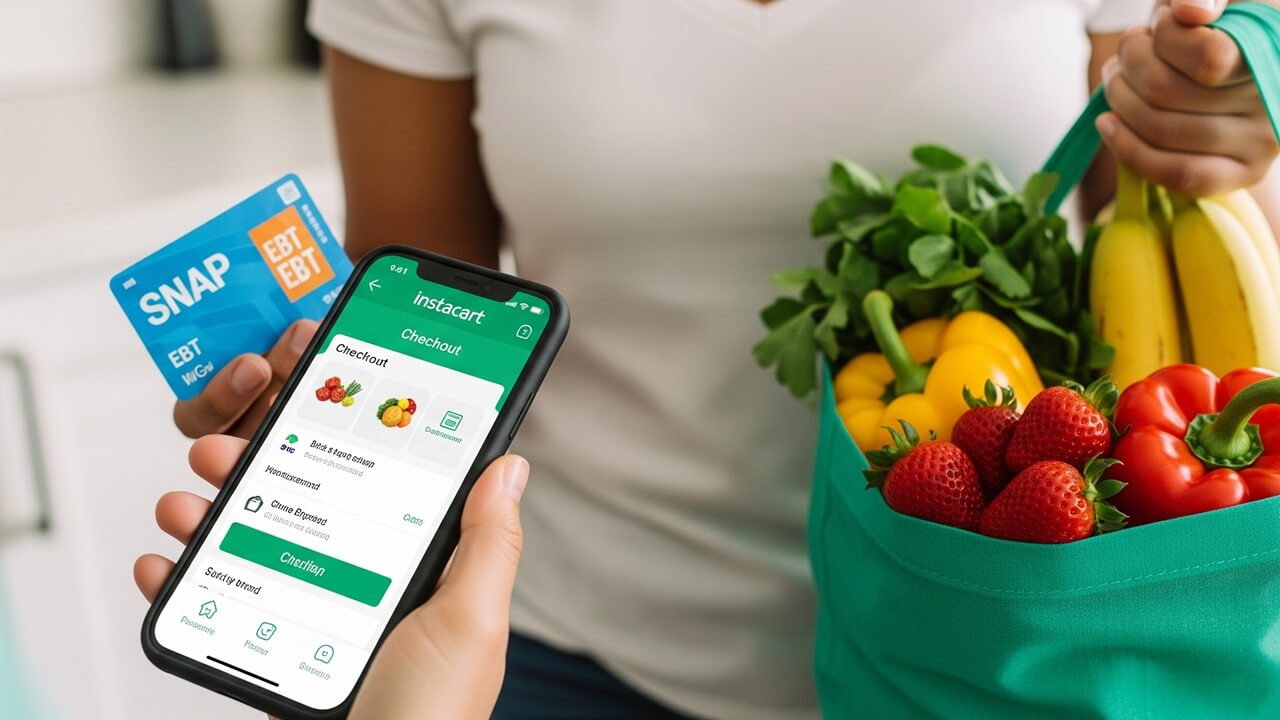
Who is Generally Ineligible?
The SNAP program, which is run by the government, has some pretty clear guidelines about who can and can’t get help. One of the main rules is that if you’re in jail or prison for breaking the law, you usually can’t get SNAP benefits. The government provides these benefits to make sure people can buy food, but it only gives them to people who are not already receiving food from a government-funded place like a correctional facility.
There are some exceptions, though! Sometimes people are allowed to leave the jail for a few hours to work, for example. Even when they are out, it can sometimes be tricky for them to have enough money to buy food. These people might be able to get SNAP benefits.
The rules also state the government cannot help support someone in jail. However, this can get more complicated when we think about things like:
- Pre-trial detention.
- People in drug rehab.
- Mental health facilities
It’s important to remember that the rules can change, and they can also be different depending on where you live, so you’ll always need to double-check with your local SNAP office for the most up-to-date information.
Exceptions to the Rule: When Can an Incarcerated Person Get an EBT?
Even though the general rule is “no,” there are some situations where an incarcerated person *might* be able to get an EBT card. One of these is when someone is temporarily released from jail. This means the person might be let out for a short time to attend a job, go to school, or go to a doctor’s appointment. If they are responsible for buying their own food during that time, they could be eligible. If you have a friend or family member who is currently out of jail and would like to know more, these are some tips they can use:
- Contact the local SNAP office.
- Find out the rules for your state.
- They may need to apply again.
Another situation where an incarcerated person could potentially receive SNAP is when they are living in a halfway house. Halfway houses are often intended to help people transition back into society. The exact rules will still depend on the specific halfway house and whether it provides meals or not.
The Role of State and Federal Regulations
The rules for SNAP come from both the federal government and the state governments. The federal government sets the overall guidelines, but each state has its own specific rules and ways of doing things. This can lead to some confusion since what’s allowed in one state might not be allowed in another.
Federal regulations, such as those put out by the USDA (United States Department of Agriculture), lay out the basic rules. These rules include guidelines on who is eligible for SNAP, how benefits are calculated, and what you can buy with your EBT card. States must follow these rules, but they also have the flexibility to add their own rules. States might have different income limits, different application processes, or different ways of dealing with people who are incarcerated. Here are some questions states often have to deal with:
- How do they handle benefits when someone is released from jail?
- What paperwork is needed to show they are eligible?
- How do they notify the government of changes in status?
This means it’s always a good idea to check with the SNAP office in the state where the person is incarcerated to find out the specific rules that apply.
Impact on Families and Communities
When someone is incarcerated and *can’t* get SNAP, it can put a strain on their family and community. Families may struggle to afford enough food for their children if a parent is in jail and can’t contribute financially. They might have to rely on other forms of assistance, like food banks or community support programs.
Sometimes, even when incarcerated people are eligible for SNAP, the help can be limited or delayed. If someone is getting released from jail, there may be a delay in getting their benefits approved. It takes time to apply, and the government needs to verify information. Also, it’s hard for someone to find work or a place to live when they don’t have any money.
The absence of SNAP benefits during incarceration highlights the importance of community support.
| Challenge | Impact |
|---|---|
| Limited financial resources for families | Increased food insecurity, stress for caregivers |
| Difficulty reintegrating into society | Higher risk of recidivism, strain on support systems |
The community can help by offering different forms of help. This includes legal aid to help incarcerated people understand their rights, and reentry programs that help people find jobs and housing after release.
Alternatives and Support Systems
Even though an incarcerated person generally can’t get an EBT card, there are often other ways people can get help. One common alternative is support from family and friends. Families can provide funds or help with food purchases. Sometimes, a local charity or religious organization can help. Many communities also have food pantries and soup kitchens that offer free meals to anyone in need.
Another support system that helps is programs that provide meals for incarcerated people. This helps meet the nutritional needs of those in jail. Also, when people get out of jail, they need to apply for SNAP benefits. There are places that can help, such as:
- Re-entry programs
- Social workers
- Legal aid services
These resources can provide support to formerly incarcerated people. These programs can help people navigate the process of applying for SNAP and other benefits. They can provide job training, housing assistance, and other support that can help people get back on their feet after being released from jail or prison.
Changes and Updates to SNAP Policies
The rules about SNAP benefits, including those related to incarcerated people, can change over time. These changes can happen at the federal or state level. Sometimes, new laws or policies are passed. Sometimes, the government will adjust how it enforces existing rules. These changes can affect who is eligible for SNAP, how benefits are calculated, and how the program is administered. It’s super important to stay up to date so you know what is happening.
These changes often involve looking at the economic climate, and the needs of the population. If the economy goes bad, there might be changes to the rules to help more people. Also, the government can also review the current rules to find ways to improve the program.
If you want to stay informed, you can:
- Visit the USDA website
- Check the websites of your state’s social services department
- Sign up for email alerts from organizations that advocate for SNAP recipients.
- Contact local legal aid or social service agencies for updates.
By doing this, you can be sure you have the current information.
Conclusion
In general, an incarcerated person is not able to have an EBT card. But, as we’ve seen, there are exceptions. Navigating these rules can be tricky, as they depend on federal and state regulations and the specific circumstances of each case. Whether it’s through family support, community resources, or transitional programs, there are ways to help ensure that people have access to food, even if they are currently incarcerated or just getting out. Understanding the rules, knowing the resources, and staying informed are important steps in addressing the food needs of people in the justice system.