Wondering if you can grab a bag of ice with your EBT card? It’s a pretty common question, especially when you’re planning a party or trying to keep things cool. The answer isn’t always a simple yes or no, because it depends on what EBT actually covers. Let’s dive in and figure out the scoop on buying ice with your benefits!
What EBT Covers (and Doesn’t)
So, can you buy bags of ice with your EBT card? Generally speaking, you cannot purchase bags of ice with your EBT card. EBT, or Electronic Benefit Transfer, is designed to help people buy food. The specific items allowed are usually things like fruits, vegetables, meats, and other groceries. Ice, sadly, doesn’t typically fit into that category.
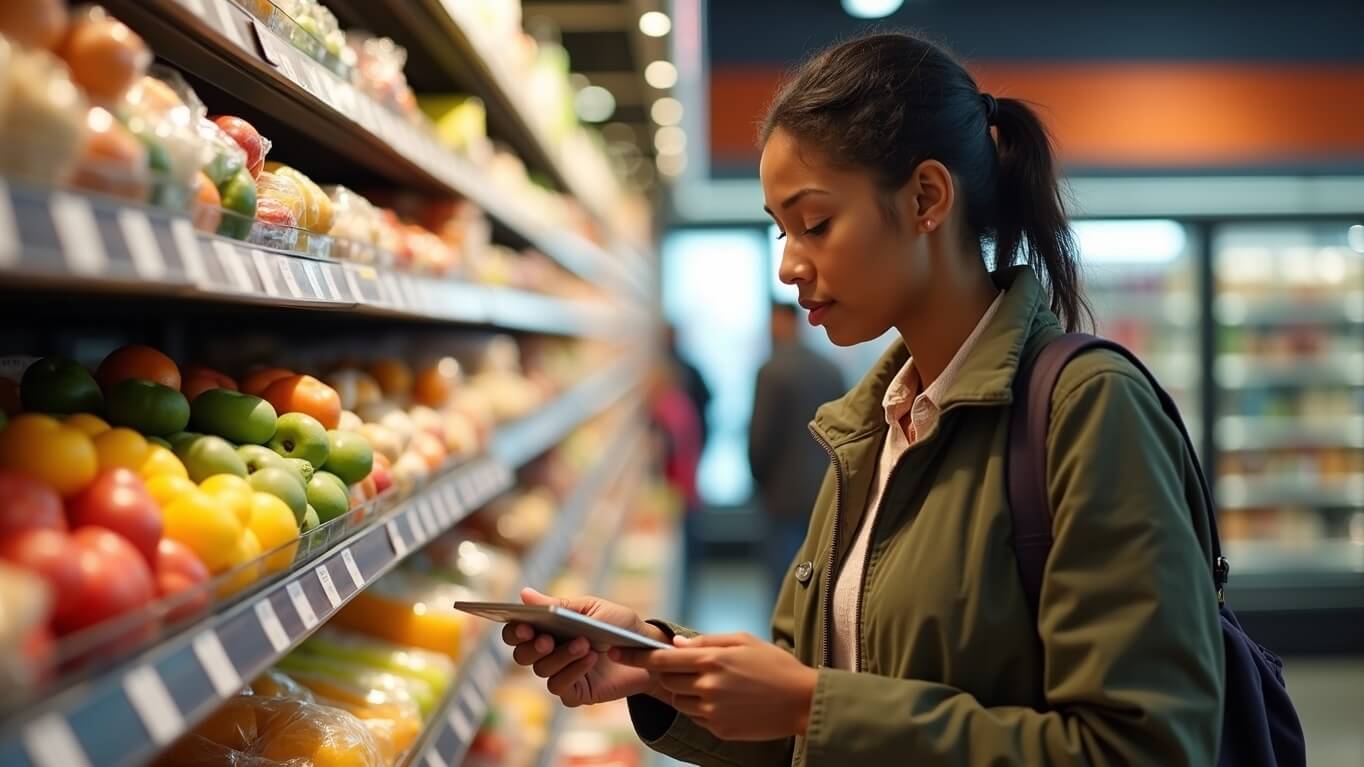
What EBT Can Be Used For
EBT is primarily designed to help families and individuals purchase nutritious foods. This ensures that those who are eligible have access to essential items needed for a healthy diet. The idea is to focus on providing the basics to combat food insecurity. Most states follow federal guidelines about what constitutes a food item, but there may be some variances.
Consider that you might use EBT for:
- Produce: Fruits and vegetables of all kinds.
- Protein: Meat, poultry, fish, and eggs.
- Grains: Bread, cereal, pasta, and rice.
- Dairy: Milk, cheese, and yogurt.
These are the building blocks of a well-rounded meal plan. It’s important to note, though, that EBT is only for food. This means items like paper towels, cleaning supplies, or pet food are not eligible for EBT purchases. Understanding these distinctions is key when shopping and using your EBT card.
The goal is to maximize the benefits for the recipient. This is why there are restrictions.
The “Non-Food” Rule
Why isn’t ice covered? Well, the rules for EBT are pretty specific about what you can and can’t buy. Ice is seen more as a convenience item. It’s used to keep things cold, but it’s not considered a core food item that provides nutritional value. The program’s focus is on making sure people have access to enough food to eat. Think of it as a way to make sure the money goes towards groceries that will actually feed you and your family.
There are some exceptions, but for the most part, “non-food” items aren’t allowed. Here are some examples of items that typically aren’t covered by EBT:
- Alcoholic beverages
- Tobacco products
- Vitamins and supplements
- Prepared foods (like hot meals)
These items are not considered essential for basic nutrition, which is the purpose of the program.
This also helps to ensure that money is not diverted away from the intended purpose.
Frozen Foods and EBT
While plain ice isn’t usually covered, it’s helpful to know that frozen foods are often allowed. Frozen fruits, vegetables, and even frozen meat are usually okay to buy with your EBT card. This is because they are essentially the same as their fresh counterparts, just preserved. Frozen food can be a convenient and affordable way to eat nutritious meals, especially when fresh produce might be out of season or more expensive.
So, if you need to keep your groceries cold, you can buy frozen food. This way you can get your protein, fruits, and vegetables. It is a good way to purchase foods that will last longer, and still be able to have healthy foods.
| Food Type | EBT Eligibility |
|---|---|
| Fresh Produce | Yes |
| Frozen Produce | Yes |
| Ice | No |
| Frozen Meals | Maybe |
Some pre-made frozen meals might not be eligible, depending on the ingredients. Look for foods without ingredients that are not covered.
Where You Can Use Your EBT Card
You can use your EBT card at most grocery stores, supermarkets, and even some farmers’ markets. These places are usually set up to accept EBT cards for eligible food purchases. You’ll look for the EBT logo at the checkout. If you’re not sure, ask a cashier! They’ll be happy to help you out and let you know if the store accepts EBT.
Here is a list:
- Grocery Stores
- Supermarkets
- Some Farmers’ Markets
- Convenience Stores (in some cases)
It’s also a good idea to check online for a directory of stores that accept EBT near you. This way you can make sure you can make the purchases that you need. Also keep in mind that you are able to use your EBT card at any register that accepts the card.
If you have any questions, you should always ask the cashier if they accept EBT.
Alternatives to Consider
Since you can’t buy ice directly with EBT, what can you do? Well, if you need to keep food cold, you can buy things like insulated bags or coolers. You could also use frozen foods that may replace the need for ice. You can also ask if a friend or family member would be willing to help you get ice.
Here are some options to try:
- Use a cooler to keep items cold.
- Purchase frozen goods.
- Ask a friend for help.
- Pay with another form of payment.
This helps to keep your food purchases within the rules, and your food cold.
Planning ahead can make it easier to work around the restrictions of your EBT card.
EBT and Prepared Food Restrictions
Sometimes the rules can get a bit tricky. Prepared foods, like hot meals from the deli or a restaurant, are usually not covered by EBT. This is because EBT is aimed at helping people buy ingredients to cook meals at home. The government wants to help those who need it, and makes sure they get to eat the best they can.
However, the rules can vary, and there are some exceptions to the “no prepared food” rule. This sometimes depends on what state you live in, and there may be certain programs that allow for hot meals or prepared food purchases. If you are not sure, you can ask the cashier to be sure you can purchase something.
- Sandwiches (usually not covered)
- Hot pizza (usually not covered)
- Rotisserie chicken (often not covered)
Be sure to read the rules for where you live, to learn what is considered to be prepared food.
The rules are in place for a reason, and knowing them will help you.
In conclusion, while you can’t typically buy bags of ice directly with your EBT card, understanding the rules helps you make smart shopping choices. By focusing on eligible food items and considering alternatives, you can still keep your groceries cool and make the most of your benefits.