Figuring out what you can buy with your EBT card can be a little tricky. You probably know you can use it for groceries, but what about other things? Like, can you grab a bag of ice to keep your drinks cold at a picnic? Let’s dive in and explore the rules about using EBT and whether or not ice is a go.
What Exactly Can EBT Be Used For?
EBT, which stands for Electronic Benefit Transfer, is basically a debit card for food assistance. It’s part of the SNAP program (Supplemental Nutrition Assistance Program), which helps people with low incomes buy food. You can use your EBT card at most grocery stores and some farmers markets. The main idea is that it’s supposed to help you get healthy meals.
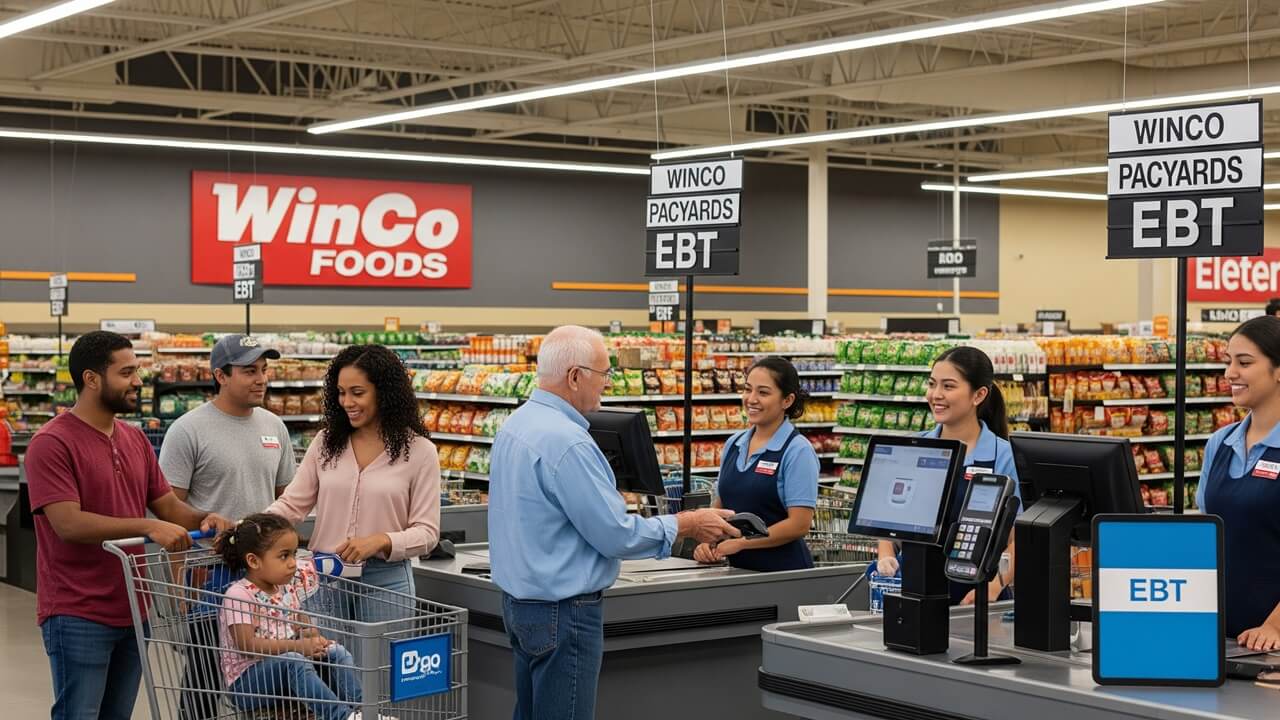
But, not everything is allowed. The rules are pretty clear about what you can and can’t buy with your EBT card. It’s mainly for food items that you cook and eat at home. There are some exceptions, and it’s always a good idea to double-check with the store or your local EBT office if you’re not sure.
So, what’s the bottom line? EBT is a lifeline for many families to access nutritious food. Understanding the system and the specific items allowed is crucial for making the most of the benefits. Think of it like a special grocery shopping budget.
So, can you buy ice with EBT?
The Basics: What’s Considered Food?
The SNAP program has a specific definition of “eligible food.” This includes pretty much anything you’d buy at a grocery store to prepare and eat at home. Think fruits, veggies, meats, poultry, fish, dairy, breads, cereals, and other staples. Snack foods and non-alcoholic beverages are generally okay, too. This broad category covers a lot of what you need to make meals.
Here’s where things get a bit more detailed. While SNAP focuses on food, some non-food items are also allowed in certain situations, depending on state-specific rules. This can sometimes include seeds and plants for growing your own food, which helps with food security.
Sometimes it can be confusing because of different state and store rules. What’s allowed in one state might be different in another. You should always check the rules for your specific state or location. The goal is to ensure that EBT benefits are used appropriately to support families’ food needs.
- Fruits and vegetables
- Meat, poultry, and fish
- Dairy products
- Breads and cereals
These are the primary components of a balanced diet that EBT aims to support.
Why Ice Might Be Tricky
Ice doesn’t really fit into the usual definition of food. It’s not something you eat to get nutrition. The primary purpose of ice is to keep things cold, which isn’t directly related to the food you’re consuming. Since EBT is specifically for food, things that aren’t food or are non-essential often are not eligible.
The regulations around this can vary, though. Some states might have a slightly different interpretation, but the general rule is that ice isn’t considered an essential food item. Because ice isn’t typically seen as providing nutritional value, it often gets the boot from the eligible purchase list.
Another thing to keep in mind is that EBT aims to cover the costs of meals, not necessarily the extras. If you’re buying ice, it’s usually for non-essential things like keeping drinks cold or for entertainment purposes, such as picnics or parties.
- It is not a direct source of nutrition
- It is used for keeping things cold, rather than being food.
- It is an extra, not essential
These reasons explain why ice often isn’t allowed to be purchased with EBT.
Other Items That Might Be Questionable
There are several other items that can be questionable when it comes to EBT eligibility. Things like pet food, alcohol, tobacco, and household supplies are almost always off-limits. These items don’t align with the core goal of SNAP to provide nutritional assistance to low-income individuals and families.
Prepared foods, like hot meals from a deli, are usually not allowed, unless the store participates in a special program. The same goes for non-food items like paper towels, cleaning supplies, and cosmetics. The focus remains on the food itself and the ingredients for cooking.
This can lead to some confusion, especially when you’re shopping. It’s always a good idea to be careful when selecting items, and if you’re unsure, it’s better to err on the side of caution and skip the purchase.
- Pet food is generally not eligible
- Alcohol and tobacco are never eligible
- Household supplies like cleaning products are not eligible
- Non-food items like medicines are not eligible
These examples show common non-food items and why they are excluded from the EBT program.
State-Specific Rules and Exceptions
While the federal government sets the general rules for EBT, states often have a bit of leeway to make their own decisions. Because of this, what’s allowed in one state might be different in another. This means there’s no one-size-fits-all answer when it comes to EBT.
For example, some states may have special programs or exceptions. It’s important to check with your local EBT office to find out the specific guidelines for your area. State regulations can also evolve, so staying informed is important.
For instance, some states allow the purchase of seeds and plants for growing food. This exception is designed to promote self-sufficiency and food security. It’s a clear example of how states can customize the program to fit local needs.
| Item | Generally Allowed? | State Variation |
|---|---|---|
| Ice | No | Rarely Allowed |
| Seeds/Plants | Sometimes | Varies by state |
| Hot foods | Rarely | May have exceptions |
This table summarizes common examples where state-specific rules might apply.
Where to Find More Information
The best source for accurate information about EBT is your local EBT office or the state’s official website for social services. They have all the up-to-date rules and regulations. You can also often find helpful details on the website of the USDA (United States Department of Agriculture), which runs the SNAP program.
Another great resource is the EBT card itself. The card usually comes with a number to call for customer service, and they can answer your questions about what you can and can’t buy. Some stores also have information at the checkout.
Make sure you only get your information from reliable sources to make sure you’re following the rules and getting the benefits you are entitled to. There is often information available online and in local community centers, too, which can help ensure you are well-informed about the program.
- Your local EBT office
- Your state’s social services website
- The USDA website
- The EBT customer service number
These are reliable resources to get accurate information about your EBT benefits.
The Bottom Line
So, after all this, can you buy ice with EBT? Unfortunately, the answer is usually no. Ice isn’t considered a nutritional food item, and it generally doesn’t meet the requirements for EBT purchases. But keep in mind that state rules may be different, so check with your local EBT office or a reliable website if you’re unsure. It’s important to understand the rules to make sure you’re using your benefits correctly and maximizing your ability to buy healthy foods for your meals.