Navigating the world of food assistance programs like EBT (Electronic Benefit Transfer) can be tricky! You might be wondering what exactly you can purchase with your benefits. Specifically, a common question is: Does EBT cover things like paper towels, toilet paper, and other paper products? This essay will break down the rules and give you a clear understanding of what you can and cannot buy with your EBT card.
The Basics: What EBT Actually Pays For
The short answer is, no, generally EBT does not cover paper products. EBT benefits, which are part of the SNAP (Supplemental Nutrition Assistance Program) program, are specifically designed to help low-income individuals and families buy food. This means the focus is on groceries, which is food you’ll eat to survive. SNAP aims to improve nutrition and health by giving access to important ingredients.
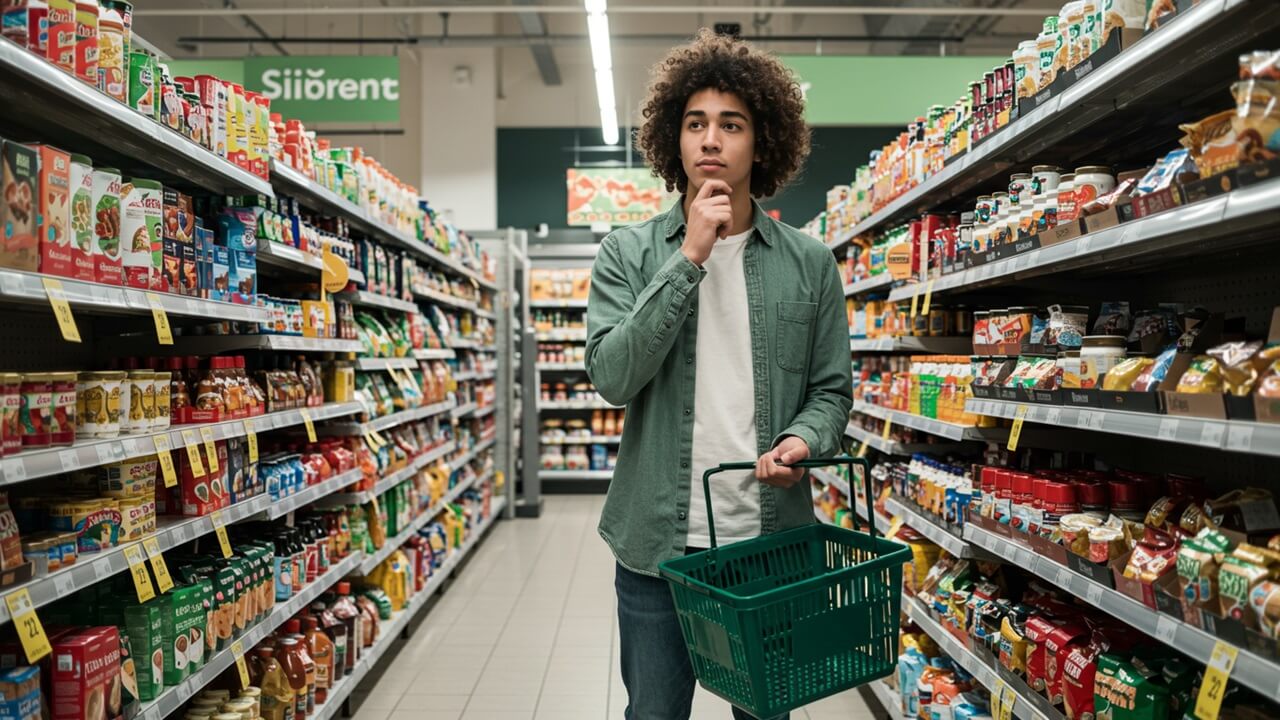
What SNAP/EBT Is Designed to Buy: Food
The whole point of SNAP is to help people afford food. What counts as food? Well, there’s a broad range, but here’s the basic rundown:
- Fruits and vegetables: Fresh, frozen, canned, whatever you like!
- Meat, poultry, and fish: Think steaks, chicken breasts, or salmon.
- Dairy products: Milk, cheese, yogurt… you get the idea.
- Breads and cereals: Loaves of bread, boxes of cereal, pasta, rice – the works.
- Other food items: Snacks, sodas, and more.
You’re allowed to buy seeds and plants to grow your own food, too! That’s a good way to stretch your benefits even further. Just imagine, your own fresh tomatoes right at home!
The intention is really for buying food products, so that people can have enough food to eat.
Why Paper Products Aren’t Included
So, why aren’t paper products covered? It all comes down to the rules of the SNAP program. The goal is to support people in getting the nutrition they need. The focus is on putting food on the table. Paper products, while super useful, aren’t technically food. They’re considered household items.
- They don’t directly provide calories or nutrients.
- They fall into the category of household necessities rather than food.
- The program is designed to be very specific about what it covers, to make sure the funds are used for their intended purpose.
That’s how the program works, to help people get food.
What You *Can’t* Buy With EBT (Besides Paper Products)
Besides paper products, there are other items that are off-limits. These are the things you can’t use your EBT card to purchase. It’s important to know these rules!
- Alcoholic beverages: No beer, wine, or liquor.
- Tobacco products: Cigarettes, cigars, etc.
- Vitamins and supplements: Unless specifically labeled as food.
- Pet food: Your furry friend’s kibble is on your budget, not EBT’s.
- Household supplies: This includes cleaning supplies, soap, and, of course, paper products.
These items just aren’t considered part of the food category.
It can seem limiting, but keep in mind the whole point is to help people eat healthy and get access to food they need.
Where You *Can* Use Your EBT Card
Now that you know what you *can’t* buy, let’s talk about where you *can* use your EBT card. It’s accepted in a lot of places, which makes it easier to get your groceries. You’re not stuck in one place.
| Type of Store | Examples |
|---|---|
| Supermarkets | Safeway, Kroger, Publix |
| Grocery Stores | Local grocers, smaller markets |
| Some Farmers Markets | Look for signs that say “EBT Accepted” |
| Online Groceries | Amazon, Walmart (check availability in your area) |
Make sure the store accepts EBT before you start shopping. You’ll probably be able to find a location right near you.
It’s always a good idea to call ahead or check online if you’re not sure if a store accepts EBT.
Finding Help for Non-Food Essentials
Okay, so you can’t use EBT for paper products, but you still need them! Don’t worry, there are other resources available to help you get the things you need. It’s about piecing together support.
- Food Banks: While primarily for food, some food banks might also offer hygiene products like toilet paper.
- Charities and Non-profits: Local organizations may have programs to assist with household necessities.
- 2-1-1 Hotline: This is a great resource for finding local assistance programs. Just dial 2-1-1 on your phone, and you’ll be connected to someone who can provide information on resources in your area.
- Community Centers: These may have information about local programs that help people with essential items.
The good news is, there are groups willing to help!
Making the Most of Your EBT Benefits
To get the most out of your EBT benefits, here are some tips to consider. Making your money work for you is the best approach.
- Plan your meals: Make a list before you go shopping to avoid impulse buys and to ensure you get everything you need.
- Compare prices: Look for sales and compare prices between different brands and stores.
- Buy in bulk (when possible): Buying larger quantities can sometimes save you money on essential food items.
- Focus on staples: Prioritize buying foods that will provide the most nutrition for your budget. Think fruits, veggies, and proteins.
Smart shopping can save you big bucks! Also, consider cooking at home more often.
With a little planning and effort, you can stretch your benefits and make sure you’re eating well!
Conclusion
In conclusion, while EBT benefits are a vital tool for accessing food, they generally do not cover paper products. However, understanding the program’s focus on food and exploring other resources can help you meet all your household needs. By making a budget and planning, you can stretch those EBT dollars. You can shop smart to make sure you have everything you need.