Ever wondered if your EBT card, which helps you buy groceries, can also be used to get vitamins? It’s a good question, and the answer isn’t always straightforward. EBT, or Electronic Benefits Transfer, is a system that gives people access to food assistance, but what exactly qualifies as food? This essay will break down the rules of EBT and vitamins, so you’ll know what’s covered and what’s not.
The Basic Question: Do Vitamins Qualify as Food?
The main thing to understand is what the government considers “food” when it comes to EBT. Generally, EBT is designed to help people buy items that provide basic nutrition. The rules are pretty clear about what you *can* buy, like fruits, vegetables, meats, and dairy products. But what about things like vitamins, which are technically supplements, not whole foods? **Unfortunately, in most cases, EBT does not cover vitamins.** They are usually classified as supplements and are not considered essential foods in the same way as groceries.
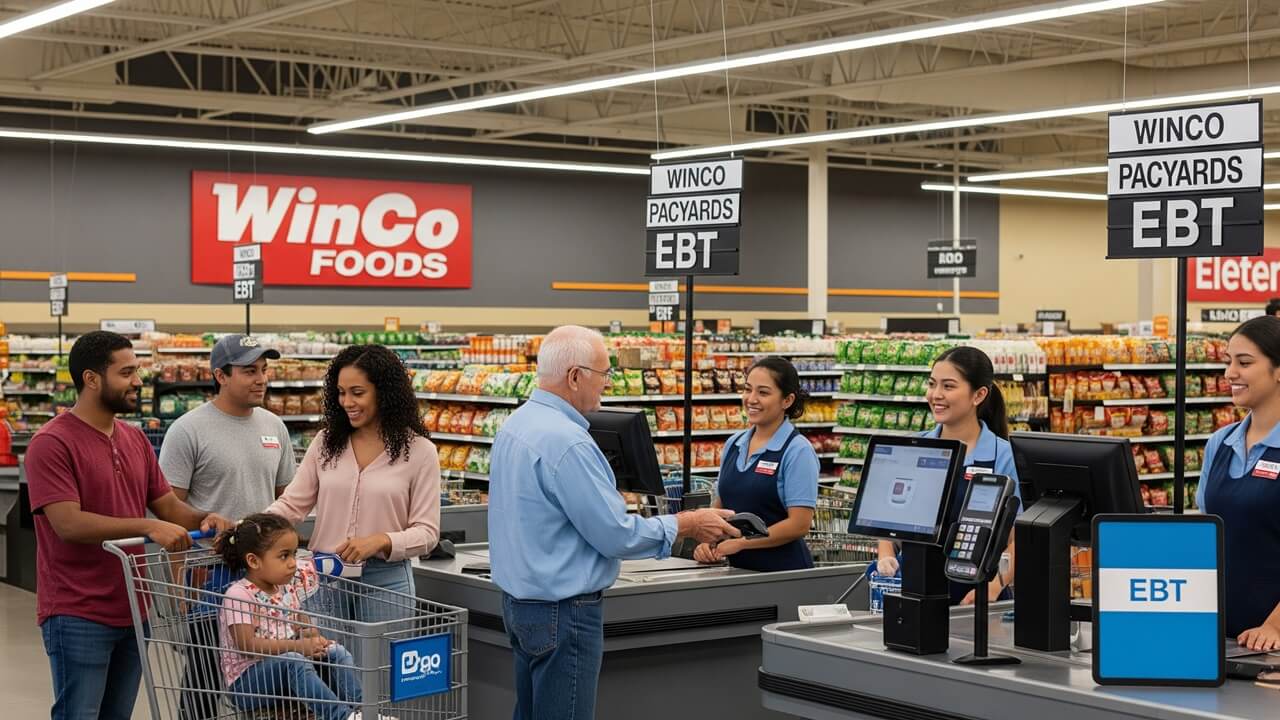
Understanding the Purpose of EBT
EBT programs, like SNAP (Supplemental Nutrition Assistance Program), are there to help people afford the basics for a healthy diet. The goal is to ensure people have access to enough calories and essential nutrients through foods they purchase. This helps prevent food insecurity and supports overall health. When the programs were created, there wasn’t as much emphasis on supplements, and the focus was on making sure people could buy the foods that made up the foundation of a healthy diet.
Because the main goal is to make sure people can get basic food for nutrition, there is a clear difference in what can and cannot be purchased.
- What you CAN buy: Fruits, vegetables, meat, poultry, fish, dairy products, and bread.
- What you CANNOT buy: Alcohol, tobacco products, pet food, and any non-food items.
EBT is run by the government and funded with the taxes that are collected from everyone. The guidelines have changed over the years, however, the basics of what is allowed has stayed the same. The goal of the program has always been to help those who are struggling to make sure they have access to the basic foods they need.
It is a great program and helps many people. If you are interested in the history, it’s always good to look it up and learn some fun facts.
The “Supplement” Distinction and EBT
Vitamins and supplements are usually categorized differently than food items. They’re seen as things you take *in addition* to your regular diet, rather than part of your essential food intake. This difference is key in how EBT rules are applied. The focus is on providing access to the building blocks of a healthy meal, not necessarily add-ons.
Consider this comparison:
- You buy a whole chicken (covered by EBT).
- You then buy a vitamin to supplement your diet (usually not covered by EBT).
The chicken provides a primary source of protein, while the vitamin is intended to boost certain nutrient levels. If you want a good diet you need both, however, EBT will likely only cover the chicken.
The government rules are what helps determine what is and what isn’t eligible, and it’s important to follow them. There are many different rules in different states, and you always want to know what’s what in your state.
Exceptions to the Rule: Medical Needs
While the general rule is no, there *can* be some rare exceptions. In certain situations, if a doctor *specifically* prescribes a vitamin as part of a treatment for a medical condition, it *might* be eligible. However, this requires a prescription, and even then, it’s not a guarantee. The state and federal rules have to be met, along with the product. Generally, most stores don’t allow you to use your EBT card to purchase vitamins.
These exceptions are based on the specific needs of the individual with medical conditions, not general wellness or preventative care. It is always best to ask your doctor.
| Condition | Vitamin | EBT Eligibility |
|---|---|---|
| Severe Deficiency | Prescribed Vitamin D | Potentially eligible with prescription |
| Medical Condition | Specific Supplements | Unlikely, but check with provider |
| General Health | Multi-Vitamin | Usually not eligible |
The rules can change over time, so always check with local EBT program administrators. This is very important, because many doctors aren’t aware of the details. The program is there to help, and when it comes to helping you get the vitamins you need, the only thing they care about is the rules.
Over-the-Counter (OTC) Medications and EBT
Vitamins are often sold alongside other OTC medications. This is why it is easy to get confused about EBT. OTC medications are, like vitamins, usually not covered by EBT. The same rules apply. Some states are now allowing for the purchase of some OTC items with an EBT card, but that doesn’t include vitamins. You should check with your local provider to know what is allowed in your state.
The rules are always changing. This is why you need to stay on top of what’s allowed and what’s not.
- EBT mainly covers food.
- OTC medications are not always covered.
- Vitamins are unlikely to be covered.
Some states have made changes, so be aware of local rules. The best thing you can do is talk to your local health department. They will know what is and isn’t allowed.
Shopping Smart with EBT: What to Buy
If you’re using EBT, knowing what you *can* buy helps you shop smartly. Focus on the core food groups: fruits, vegetables, proteins, dairy, and grains. These provide the most essential nutrients, and are what the program is designed to support. Planning your meals around these items will ensure you are meeting your nutritional needs without running into problems at the checkout. This is a great strategy.
Here is a basic guide for what you can buy with EBT:
- Fruits and vegetables (fresh, frozen, canned)
- Meats, poultry, and fish
- Dairy products (milk, cheese, yogurt)
- Breads and cereals
- Snacks (chips, crackers)
When it comes to planning your meals, remember that it is okay to buy fresh, frozen, or canned foods. Be aware that it might not be worth it to buy some snacks if you don’t have much in the budget. The most important thing is to stay healthy and get all your nutrients. That way you will stay healthy.
Other Ways to Get Vitamins
If EBT can’t cover vitamins, don’t worry! There are other options. Some community health centers or local organizations might offer free or reduced-cost vitamins, especially for low-income individuals. Also, check if any of your insurance plans cover vitamin costs, particularly if your doctor prescribes them. The most important thing is to be aware of all the choices you have and know the rules. You might find you can get them for free.
Here are some other ways to get vitamins:
- Talk to your doctor to see if you need them.
- Check with your insurance company for covered costs.
- Look into local programs for assistance.
The best thing you can do is research and ask. There are people who want to help you. There are so many resources available. It’s just a matter of asking.
Conclusion: The Bottom Line on Vitamins and EBT
So, to sum it all up: **generally speaking, EBT doesn’t cover vitamins.** The rules are centered on providing essential food items for a well-balanced diet. While there might be rare exceptions for medically prescribed vitamins, it’s not the norm. If you need vitamins and are on EBT, explore other ways to get them, like talking to your doctor or researching community programs. Remember to always focus on getting your nutrients from a balanced and healthy diet that fits your budget!