Being a foster parent is a really important job. You’re opening your home and heart to a child who needs care and support. It can be a big financial undertaking, too! Luckily, the government offers some help. This essay will talk about how foster parents can get food stamps and other benefits to help care for these kids. We’ll explore who’s eligible, how it works, and other things you should know.
Eligibility: Who Can Get Foster Parent Food Stamps?
So, who can actually get food stamps for a foster child? Well, the main thing is that the child has to be living with you. You also have to be the one who’s responsible for the child’s care and well-being. This usually means the child is in your home through a state or county child welfare agency. It’s not just for anyone watching a kid for a day. The requirements can change a little depending on where you live, so it’s always a good idea to check with your local food stamp office.
When it comes to the child, they usually need to meet certain requirements too. These are the standard requirements. Here are a few things:
- The child is in the foster parent’s legal care.
- The child lives in the foster parent’s home.
- The foster parent is not the child’s biological parent, in most cases.
- The child’s income and resources are considered.
Also, the foster parent may need to meet certain income requirements, but often, since the child receives a payment from the state for foster care, it means the income limits are not considered for the foster parent to receive food stamps for the child.
To directly answer your question: Generally, if you are a licensed foster parent with a child placed in your care by a state agency, you can apply for food stamps benefits for that child.
How to Apply for Food Stamps as a Foster Parent
Okay, so you think you’re eligible. How do you actually get food stamps? The process usually starts with an application. You’ll need to fill out an application for food stamps in your state. You can usually find these applications online or at your local Department of Social Services (or whatever it’s called in your area). Be prepared to provide information about yourself, the foster child, and your household.
You’ll need to gather some documents. Things like proof of your identity, the child’s birth certificate or social security card, and proof that the child is in your care (like a placement agreement from the foster care agency). Make sure you have all the necessary documents before you start. This can help make the process go much faster.
Next, the caseworker reviews your application. They’ll look over all the information and documents you provided. They might need to contact you for more information or an interview. Try to respond to any requests as quickly as possible. This is how the caseworker makes their decision on eligibility.
Finally, you will find out if you are approved or denied. If you are approved, you’ll get a food stamp card (also called an EBT card) that you can use at grocery stores. If you are denied, you’ll usually get a letter explaining why. You may have the option to appeal the decision, too. Here is what the typical application process includes:
- Find the application form.
- Gather your documents.
- Submit the application.
- Attend an interview.
- Receive notice about your eligibility.
Food Stamp Benefit Amounts for Foster Children
How much money will you get on food stamps? The amount depends on a few things, like how many people are in your household. The food stamp program uses a formula to figure out how much each household needs based on their income and expenses. The size of the household is a big factor. Generally, the more people living in your home, the more food stamps you’ll be eligible for.
The child’s income is often considered, but this is usually not the main factor. Since foster children often receive payments from the state for their care, the food stamps might not get reduced. Usually, the food stamp amount is determined by the number of people the food is used for. This means it’s the foster child, but also any other children or adults that live in the home.
Income limits are also important. States have income limits to qualify for food stamps. This is usually based on your household size and income. If your household income is too high, you might not be eligible. However, many foster parents are still able to qualify because of other assistance they are receiving.
Here’s a general idea, but remember, these are just examples. Always check with your local food stamp office for exact amounts. The food stamp amounts are usually based on the number of people using the food. Here’s a rough estimate:
- One person: $291 per month
- Two people: $535 per month
- Three people: $766 per month
- Four people: $973 per month
Using Your Food Stamp Benefits
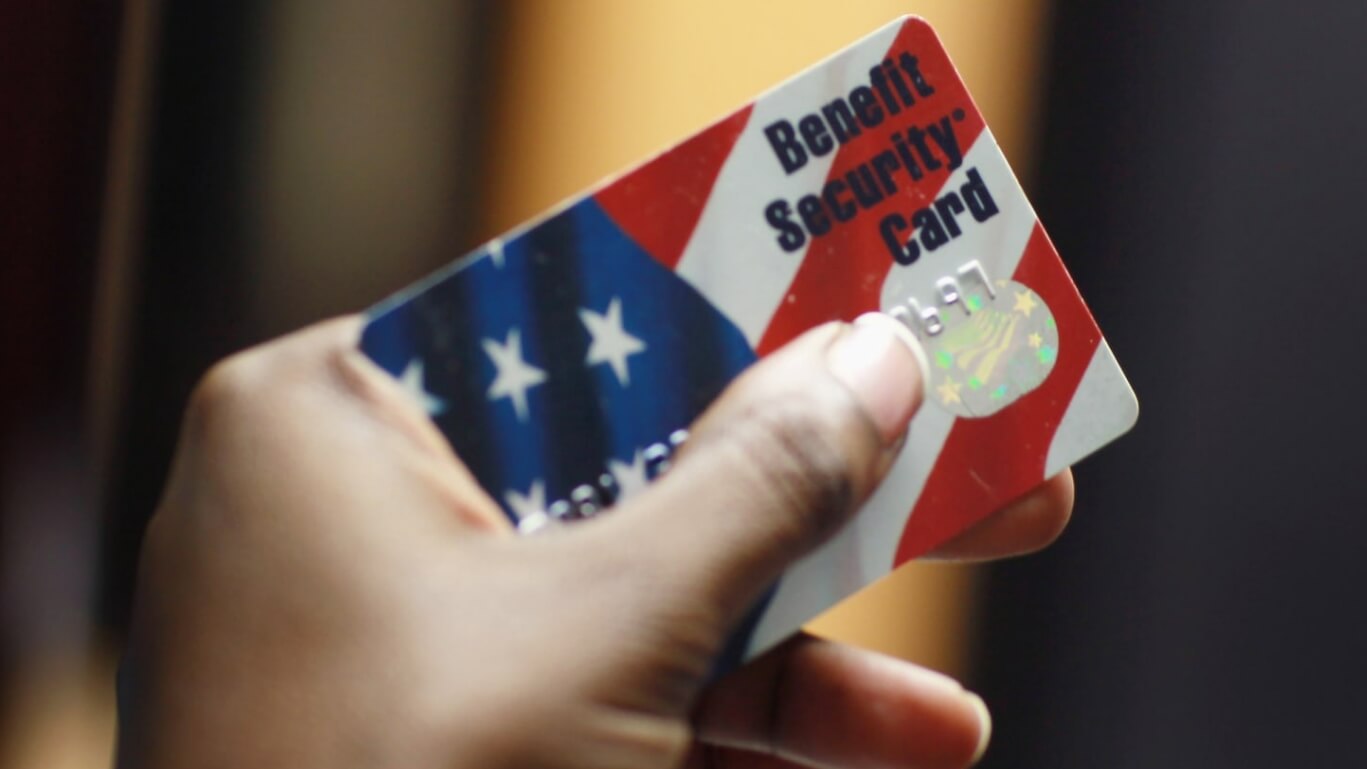
Once you get approved for food stamps, you’ll be given an EBT (Electronic Benefit Transfer) card. This is like a debit card that you use at grocery stores. It works by swiping the card, and the money is taken from your food stamp account. You can only use it to buy food.
You can purchase various groceries! This includes things like fruits, vegetables, meats, dairy products, bread, and cereals. You can also buy seeds and plants to grow your own food. You can’t use food stamps to buy things like alcohol, tobacco, pet food, or household supplies. There are specific guidelines you have to follow.
You should keep track of your balance. You can usually check your balance online or by calling a phone number on the back of your EBT card. This will help you know how much money you have left. Don’t forget to keep your card safe! Treat it like you would any other debit card. If it gets lost or stolen, report it to the food stamp office immediately.
You can even use food stamps at farmers’ markets! This is a great way to buy fresh, local produce. You can also find stores that accept EBT cards by looking for signs or asking the store employees. Here are a few things you CAN and CAN’T buy with food stamps:
| Can Buy | Can’t Buy |
|---|---|
| Fruits and vegetables | Alcohol |
| Meat and dairy | Tobacco |
| Breads and cereals | Pet food |
Other Financial Help for Foster Parents
Besides food stamps, there are other ways foster parents get financial help. Foster parents also receive a monthly payment from the state to help cover the child’s basic needs. This payment is meant to cover things like housing, clothing, and other everyday costs. The amount varies depending on the child’s age and the state.
There are also subsidies. Some states offer additional subsidies for children with special needs or other special circumstances. These subsidies are additional financial support to help with the extra costs of caring for a child with particular needs. It’s important to understand the additional costs associated with a child’s specific needs.
Also, there are tax credits! Foster parents might be able to claim certain tax credits, like the Child Tax Credit. These tax credits can reduce the amount of taxes you owe or even give you a refund. These tax credits can help you lower the overall cost of raising a foster child.
Here’s a quick look at some other types of financial support you could receive. Remember that this varies from state to state, so it’s important to find out what is available in your local area.
- Monthly foster care payments
- Special needs subsidies
- Tax credits
Challenges and Considerations
Getting food stamps and other benefits can be confusing. The application process can be tricky, and it can take some time to get approved. You might need to provide a lot of paperwork and answer a lot of questions. Be patient and keep all of your documentation organized. If you need help, don’t be afraid to ask!
There can be communication issues. Dealing with the food stamp office can be frustrating sometimes. Caseworkers are often overloaded and busy, so it can be hard to get your questions answered right away. Try to be persistent, and keep a record of all your communications. You are an important person in the child’s life, so do your best to advocate for the child.
There are also the changes. Food stamp rules and regulations can change, so it’s important to stay informed. The amounts of food stamps you receive and the eligibility requirements can change over time. Keep an eye out for updates from the food stamp office and any changes that might affect you.
Here are some things to keep in mind to help navigate any challenges you might encounter:
- Apply early and thoroughly.
- Keep all of your documentation organized.
- Document all your communications.
- Be persistent.
Conclusion
Being a foster parent is a noble calling, and thankfully, there are resources available to help. Food stamps provide vital help with groceries, and combined with other financial aid, they can ease some of the financial burdens of caring for a foster child. By understanding the eligibility requirements, application process, and other benefits, you can navigate the system and focus on what matters most: providing a loving and supportive home for the child in your care.