Navigating the world of taxes can feel a bit like a maze, and understanding whether certain benefits are taxable can be tricky. One common question people have is whether Electronic Benefit Transfer (EBT) benefits, like those used for food assistance (SNAP) or cash assistance (TANF), are considered taxable income. Let’s dive in and clear up any confusion about the tax implications of EBT.
Is EBT Taxable Income? The Simple Answer
To get right to the point: EBT benefits are generally *not* considered taxable income by the IRS. This means you don’t have to report them on your tax return and you won’t owe taxes on the money you receive through EBT. However, there are a few exceptions, so let’s look at it deeper.
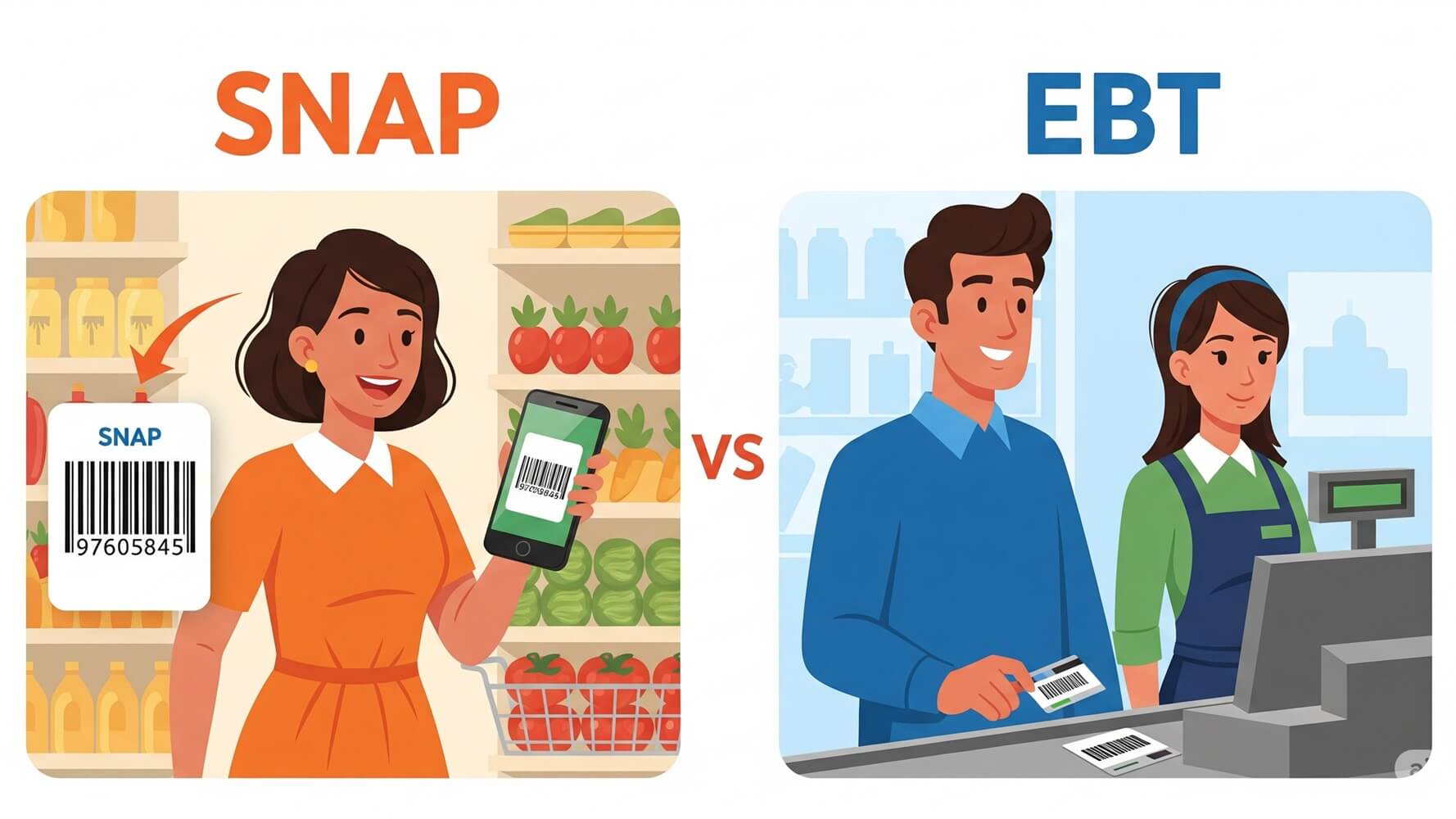
What is EBT and How Does It Work?
EBT is basically a special debit card used by many government programs to provide financial assistance. It allows people to access benefits electronically. This is much more convenient than paper checks. Think of it like a regular debit card, but instead of you putting money on it, the government does. It works like this:
- You apply for a program like SNAP.
- If you qualify, you get an EBT card.
- The government puts benefits on your card each month.
- You use the card to buy approved items.
- When you use the card, the cost of items are deducted from your benefits.
The programs often offer both food assistance benefits and cash assistance. The food assistance is typically for buying food, and the cash assistance can be used for other necessities.
SNAP Benefits and Taxes
Supplemental Nutrition Assistance Program (SNAP) is one of the most well-known programs that uses EBT cards. SNAP provides money specifically for buying groceries. Because SNAP benefits are meant to help people afford food, they are designed to be exempt from federal income tax.
- When you receive SNAP benefits, they are not included in your gross income.
- You don’t need to report these benefits on your tax return.
- Therefore, you don’t pay taxes on the money you use to buy food.
This is different from things like unemployment benefits, which *are* taxable. SNAP’s tax-exempt status is a crucial part of its mission to help families struggling to afford food. It ensures that the benefits go further in helping people.
TANF and Cash Assistance
Temporary Assistance for Needy Families (TANF) provides cash assistance to families with children. The tax treatment of TANF benefits is important to understand, and depends on the state.
- In most states, TANF benefits are *not* taxable, and you don’t have to report them.
- However, it’s essential to check the rules in your specific state, as there might be some variations.
- The general idea is to provide financial help for families in need.
- Because of this, the benefits are often designed to be tax-free.
The cash benefits can be used for a variety of expenses, such as rent, utilities, and clothing. Because of that, understanding whether those benefits are taxable is helpful for families as they budget and plan. It also helps people understand if the government is helping them through tax laws.
Other State or Local Assistance Programs
Many states and local governments have other assistance programs that use EBT cards. This can include programs for things like child care, utilities, or other essential needs. Knowing whether these benefits are taxable can be tricky.
- It’s important to know the rules in your area.
- The taxability of these benefits often depends on the specific program.
- Check the program’s guidelines or contact the agency that runs the program for clarification.
- Many times, these benefits are also designed to be tax-free.
The tax treatment of these programs varies. Always check with the provider to be sure.
Exceptions and Things to Watch Out For
While EBT benefits are usually tax-free, there are a few situations where you might need to be careful. It’s a good idea to know about it ahead of time.
- If you receive *non-cash* benefits (like help with housing or medical care) from programs, these may have different tax rules.
- If you have a separate income source (like a job) and are also receiving EBT, that job income will still be taxed.
- If you get back payments or refunds of EBT benefits, make sure you know whether that is taxable.
- If you have any questions, consult a tax professional or the IRS to make sure.
In most cases, it’s pretty straightforward: EBT benefits themselves are not taxed. But always double-check if you have any unusual circumstances or are unsure.
Seeking Professional Advice
Tax laws can be complex, and things can change. If you have any questions about EBT benefits and taxes, it’s always a good idea to get professional help.
| Who to Ask | What They Can Do |
|---|---|
| Tax preparer | Help you understand the tax rules and file your return. |
| IRS | Give you general information about tax laws. |
| Legal Aid | Offers help to people in need who need it. |
There are resources to help you figure things out. Getting professional advice can help you feel more confident about handling your taxes and understanding how EBT benefits affect your financial situation.
Conclusion
In conclusion, EBT benefits are generally not taxable income. Programs like SNAP and TANF provide essential support, and the tax laws are designed to help make these benefits as effective as possible. You don’t usually need to report EBT benefits on your taxes. However, always make sure to be aware of the specific rules in your state. If you’re ever uncertain, it’s always best to seek professional tax advice to ensure you’re handling everything correctly. Now you can understand a bit more about this area of taxation and your personal finances!