Sometimes, families in need get help from the government to put food on the table. This help often comes in the form of programs like SNAP (Supplemental Nutrition Assistance Program) or WIC (Women, Infants, and Children). These programs give families money or specific foods to buy healthy groceries. But what happens if someone tries to sell this food? Is it okay to do that? This essay will explore whether it’s against the law to sell government food given to your family members.
Is It Illegal to Sell Government Food?
Yes, it is generally illegal to sell government food benefits or food provided through government programs like SNAP or WIC. This is because these programs are designed to help families access nutritious food, not to be used as a source of income or for other purposes.
Understanding the Rules of SNAP
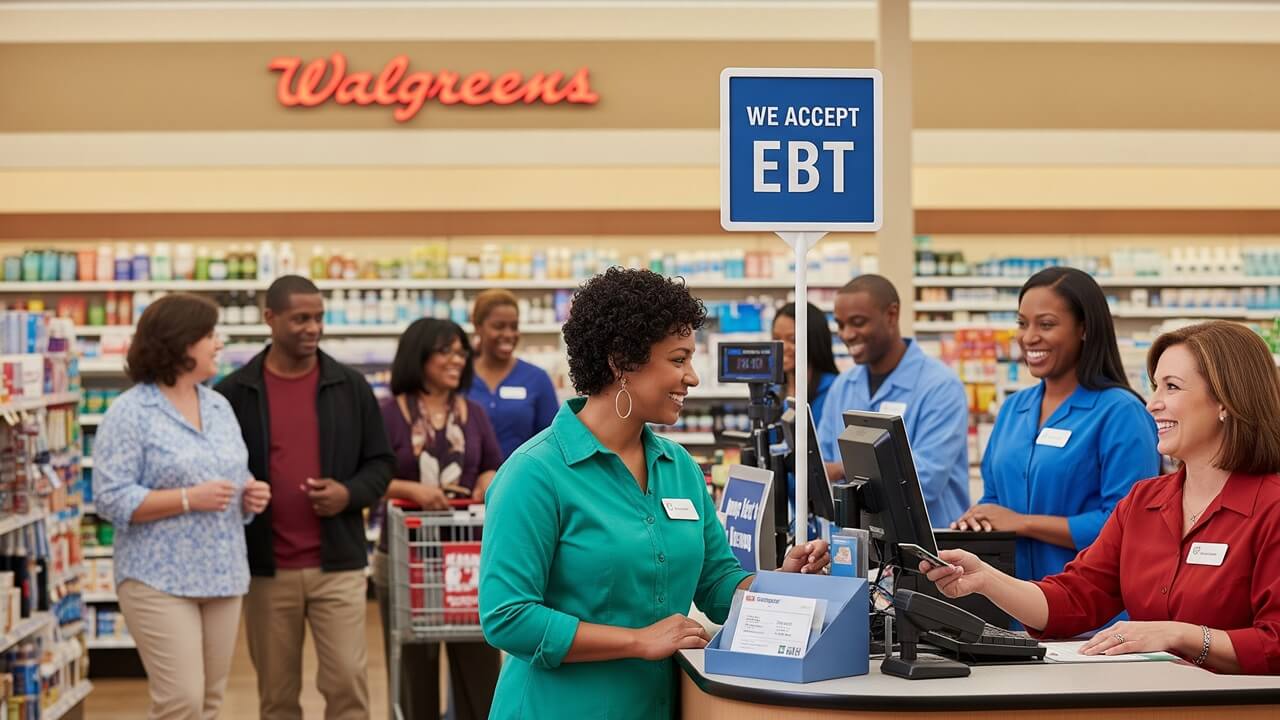
SNAP, often called food stamps, provides money on an EBT (Electronic Benefit Transfer) card. Think of it like a debit card specifically for buying food. This money is meant for purchasing food for the family that receives it. The government has strict rules about how this money can be used.
These rules help make sure the program is fair and that the food benefits are used as they’re supposed to be. Selling SNAP benefits is considered a type of fraud. This fraud can lead to problems, like losing the SNAP benefits.
- It can mean being banned from the program.
- It can result in big fines.
- It can also lead to jail time, depending on how much you’ve been selling or what other crimes were committed.
The reason for these strict rules is to protect the program and make sure that help goes to the families who really need it to eat. Selling the food is like stealing from the program because it takes away resources that could be used to feed a family.
The Purpose of WIC and its Restrictions
WIC, or Women, Infants, and Children, is another program. WIC gives specific foods, like formula, fruits, vegetables, and other necessities, to pregnant women, new mothers, and young children. WIC foods are meant for their health and development. The program provides specific products that meet the needs of the participants.
The government puts specific restrictions on WIC foods, because they are intended to provide nutrition to a specific population, like infants and young children. Selling WIC-provided items is like selling medicine that is supposed to help the user in the program.
- WIC coupons can only be used at approved stores.
- Certain foods are allowed, and others are not.
- Each item is labeled and tracked for the program.
- The food is not to be sold or exchanged for anything else.
This makes selling WIC items illegal. Selling WIC benefits is illegal because the program is meant to support the health and well-being of a specific group of people.
What Happens if You Get Caught Selling Government Food?
If you’re caught selling government food, the consequences can be pretty serious. As mentioned earlier, the punishments vary depending on how much you sold and if you’ve done it before. The authorities will investigate, and this can lead to a variety of outcomes.
The penalties are designed to discourage people from selling food benefits and to protect the integrity of the food programs. The seriousness of the penalty is closely related to the value of the benefits that were sold. It’s important to remember that selling food benefits is seen as a type of fraud.
- You might have to pay back the value of the benefits you sold.
- You could be banned from receiving SNAP or WIC benefits for a period of time, or permanently.
- In extreme cases, you could face criminal charges and even jail time.
Remember that these programs are meant to help families in need, so the penalties aim to make sure the programs are used properly.
Why is Selling Government Food Considered Illegal?
Selling government food benefits is illegal because it hurts the purpose of these food assistance programs. These programs are designed to help people who can’t afford food get access to what they need. When someone sells the food, they’re taking advantage of the system and potentially harming other people.
Selling government food is unfair to families who are playing by the rules. It also reduces the resources available for those in need. If people start selling benefits, there will be less money available for the families who really need help. The laws are designed to make sure the programs work as intended.
- It undermines the goal of fighting hunger and food insecurity.
- It wastes taxpayer money.
- It opens the door to other illegal activities.
Ultimately, the goal is to make sure everyone has enough to eat and not to create an opportunity for profit.
Exceptions to the Rule
There aren’t many exceptions to the rule. You usually can’t sell SNAP or WIC food. However, there might be some very rare situations. Sometimes, when a person is unable to use the benefits, like if a person is incapacitated, a legal guardian or representative might be able to manage the food assistance on their behalf. But even then, selling the benefits is still generally not allowed.
There is no loophole. It is important to understand that the general rule is: don’t sell the benefits. You should consult with a legal professional or a social worker if you have questions.
| Situation | Allowed? |
|---|---|
| Selling SNAP/WIC benefits for cash | No |
| Trading food for something else (even non-cash) | No |
| Using benefits to buy food for someone who needs it | Yes |
The primary idea is that government food benefits are provided to feed people and not to be used to make money or get something else in return.
Legal Consequences for Breaking the Law
The legal consequences for selling government food can be serious. As already said, the penalties are based on how much was sold and if you’ve broken the law before. The government is serious about stopping fraud. Penalties include paying back the money, losing the benefits, and possible jail time.
The government takes fraud very seriously. There can be both civil and criminal penalties. The amount of the fine will depend on the amount of money involved in the illegal sale of the benefits.
- The government might require you to pay a civil penalty.
- You may have to go to court.
- A criminal conviction will remain on your record.
The rules are there to keep the programs working fairly. They are also there to try and help those in need.
Conclusion
In conclusion, selling government food given to your family members is generally illegal. These programs are designed to help families in need, and selling the benefits or food goes against that purpose. The laws are in place to protect the integrity of these programs and to ensure that everyone who qualifies can access the food they need. If you have questions about food assistance, it’s always best to ask a social worker or legal professional to ensure you are following the rules.