If you live in Florida and need help buying food, you might be wondering about the Supplemental Nutrition Assistance Program, or SNAP. SNAP helps people with low incomes afford groceries. But to get SNAP benefits, you need to meet certain requirements, including having an income that falls within specific limits. This essay will explain everything you need to know about SNAP Florida income limits, making sure you understand how they work and how they affect you.
What Exactly Are SNAP Florida Income Limits?
So, what exactly are SNAP Florida income limits? They are the maximum amount of money a household can earn each month and still be eligible to receive SNAP benefits. The amount varies depending on the size of your household – the more people in your family, the higher the income limit. The Florida Department of Children and Families (DCF) sets these limits, and they are updated periodically to reflect changes in the cost of living.
How Are the Income Limits Calculated?
The income limits aren’t just pulled out of thin air! They’re based on a few key factors. Firstly, the federal government sets the general guidelines, and then Florida DCF figures out the exact amounts. They consider the federal poverty guidelines, which take into account the number of people in your household. Remember, “household” doesn’t necessarily mean everyone who lives in your house; it’s usually defined as people who buy and prepare food together. The income limits are expressed as a percentage of the Federal Poverty Level (FPL).
Several types of income are considered when figuring out whether you meet the income limits. This includes earned income (money from a job), unearned income (like Social Security, unemployment benefits, or child support), and sometimes, even resources like savings accounts or property. The DCF will assess your total income to see if it’s below the current income limits. So, you can’t just look at your paycheck and assume you qualify; they look at the whole picture.
Finally, income limits can change. Each year, the federal poverty guidelines get updated, and these changes usually translate to adjustments in the SNAP income limits. It’s essential to check with the Florida DCF to find the most current figures. This information can often be found on their website or by contacting their office. Waiting for the new limits can be beneficial when you are close to the limit, so be sure to check.
Here’s a quick look at some things that are often considered when determining your income:
- Wages and salaries from a job
- Self-employment income
- Social Security benefits
- Unemployment compensation
- Child support payments
What if My Income is Too High?
If your income is over the limit, it doesn’t necessarily mean you’re completely out of luck. There are some exceptions and factors that the DCF considers. For instance, some deductions might be applied to your gross income, which could lower your countable income and make you eligible. Things like childcare expenses, medical costs, and some other work-related expenses can be deducted.
Another option to think about is if your income is fluctuating. SNAP benefits are often reviewed on a periodic basis. If your income is temporarily high but you anticipate it going down soon, it might be worth applying and explaining your situation. The DCF will review the information and make a decision, which may be favorable to your situation.
Sometimes, even if you are above the income limit, you might still qualify for a program called “Expedited SNAP.” This is for households facing extreme financial hardship, such as those with very little cash or who have essential living expenses and limited resources. This is especially helpful if there’s an emergency.
If you’re close to the income limit, it’s always a good idea to apply and see what happens. Here’s how you might go about it:
- Gather your financial documents, such as pay stubs, bank statements, and information on other income sources.
- Complete the SNAP application, which can be done online, by mail, or in person.
- Provide the requested documentation to support your application.
- Wait for the DCF to review your application and send you a decision.
How Does Household Size Matter?
The size of your household is a big factor in determining your eligibility. The more people in your household, the higher the income limit. This is because a larger household generally has higher basic needs, such as food, and is expected to have a higher cost of living. Income limits are set in tiers, with different income maximums for households of one, two, three, four, and more people.
Defining your household size is also a key step. As mentioned earlier, a “household” for SNAP purposes usually means people who buy and prepare food together. The DCF will make a determination on who’s in your SNAP household based on factors like shared living arrangements, the sharing of meals, and how you purchase food.
If the size of your household changes, such as by adding or removing a member, it’s vital to report it to the DCF. This can affect your eligibility and benefit amount. The DCF will then recalculate your income limits based on the updated household size. This will allow them to reassess your eligibility. If this occurs, don’t be surprised if you receive a letter to explain the changes.
Here is a table to show you a sample of income limits. Please note that these numbers are *examples* and the actual amounts change, so you need to check with the Florida DCF for the most up-to-date figures.
| Household Size | Approximate Monthly Gross Income Limit |
|---|---|
| 1 | $2,300 |
| 2 | $3,100 |
| 3 | $3,900 |
| 4 | $4,700 |
What Happens After You Apply for SNAP?
After you apply for SNAP in Florida, the DCF will review your application and assess your eligibility. This process includes verifying your income, resources, and household size. They may request additional documentation and, at times, have an interview with you. It is important to fully cooperate and respond promptly to all the DCF’s requests.
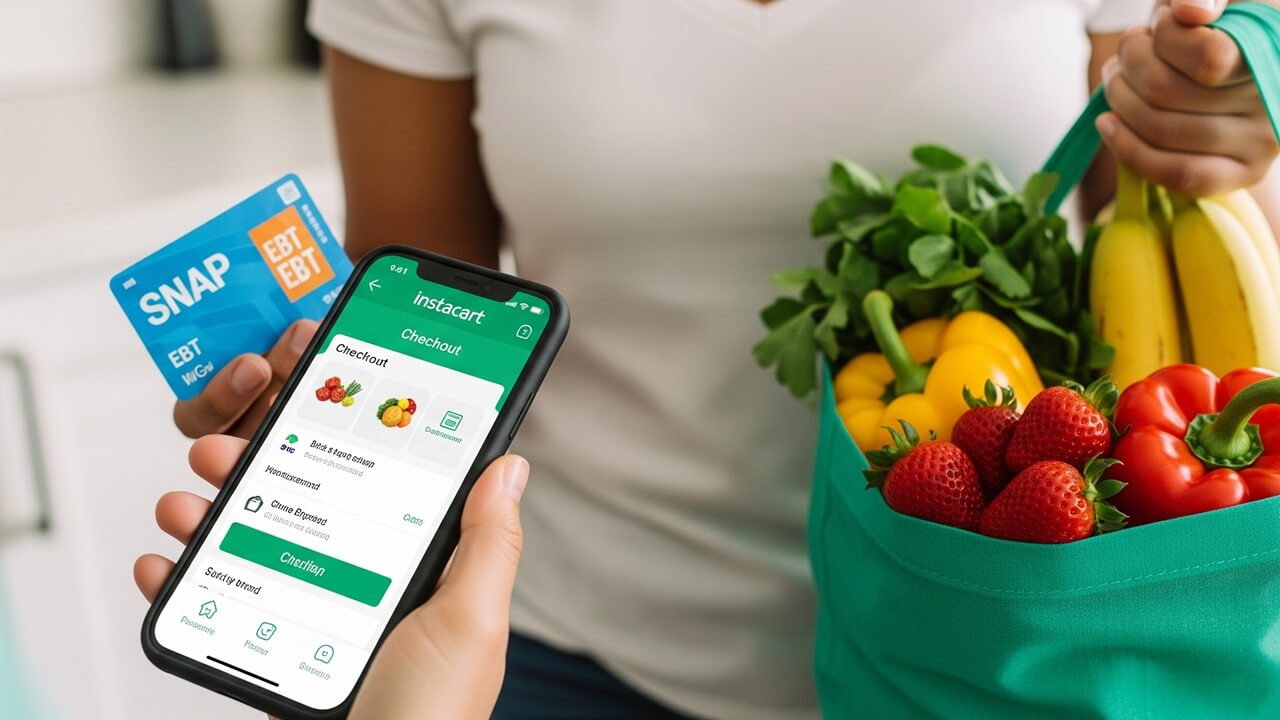
The DCF will then notify you of their decision, whether you’re approved or denied. If approved, they’ll tell you the amount of benefits you’ll receive each month. These benefits are loaded onto an Electronic Benefit Transfer (EBT) card, which works like a debit card and can be used to buy food at participating grocery stores.
If you are denied, the DCF will provide you with the reason. If you disagree with the decision, you have the right to appeal. The appeal process will allow you to present more information and potentially change the outcome. If your application is denied, you may wish to look at other options for aid.
Here is the general timeline after you apply:
- Application Submission: You submit your application and required documentation.
- Review and Verification: The DCF reviews your application, verifies your information, and potentially contacts you for more details.
- Decision: You receive a notice of approval or denial, along with the benefit amount if approved.
- Benefit Issuance: If approved, your EBT card will be loaded with SNAP benefits.
Where Can I Find the Most Up-to-Date Information?
To get the most accurate and current information about SNAP Florida income limits, the best place to look is the official Florida DCF website. Here, you can find the most up-to-date income limits, application forms, and contact information. The website is regularly updated with any changes in rules or benefits.
You can also contact the DCF directly by phone or visit a local office. The staff will be able to answer your questions and provide the assistance you need. During these conversations, it is a good idea to write down the details of your conversation. You may need this later. Be prepared to provide them with your information, such as your name, address, and any case or reference numbers.
Keep in mind that other resources can help. Local community organizations and food banks can offer assistance with the application process, or provide information about other programs available. These organizations can help you understand the SNAP program and determine if you are eligible.
When you are looking for information, look for reliable sources. This can make your search easier. Here are some places that are reliable:
- The Florida Department of Children and Families (DCF) website
- The USDA Food and Nutrition Service website
- Local social service agencies and community organizations
- Government-affiliated websites and publications
How Does SNAP Benefit Amount Work?
The amount of SNAP benefits you get isn’t a set number for everyone. It’s calculated based on several factors, including your income, your household size, and allowable deductions. The goal is to give people enough money to purchase groceries based on their situation, so the amount isn’t the same for everyone. It is based on the Thrifty Food Plan, which is a plan that shows the cost of a healthy diet.
Your monthly income, after any deductions, is a critical factor in calculating your benefits. Remember, the DCF considers your gross income. Then, they take out certain deductions, like childcare expenses, medical costs for the elderly or disabled, and some work-related costs. The deductions will help lower your income and potentially increase the benefits you receive.
The benefits you receive are loaded onto your EBT card. The amount of money available each month can vary. If your situation changes, this could affect your benefit amounts. Be sure to report any changes in your household, income, or expenses.
Here’s a simplified look at how it works:
| Step | What Happens |
|---|---|
| 1 | Calculate your gross monthly income. |
| 2 | Subtract allowable deductions. |
| 3 | Determine your net monthly income. |
| 4 | Determine your benefit amount based on your net monthly income, household size, and the maximum benefit levels. |
Conclusion
Understanding SNAP Florida income limits is crucial if you’re looking for food assistance. This essay has covered the basics of how the limits work, how income is calculated, and what to do if your income is too high. Remember to always check with the Florida DCF for the most up-to-date information, as the income limits can change. With this knowledge, you can better navigate the SNAP process and determine if you and your family are eligible for this helpful program.