Food stamp fraud, also known as the Supplemental Nutrition Assistance Program (SNAP) fraud, is when someone breaks the rules to get food assistance they’re not supposed to. If the Michigan Department of Health and Human Services (MDHHS) thinks you’ve committed fraud, they have a process they follow. This essay will explain the procedures they use for an administrative hearing if you’re accused of this in Michigan. It’s like a special meeting where you can tell your side of the story before any serious penalties happen.
Initial Investigation and Notice
The whole process starts when the MDHHS thinks you might have done something wrong. Maybe they see a discrepancy in your application, or they get a tip. Then, they’ll start an investigation. This could involve checking bank records, talking to people, and gathering information. They are basically trying to figure out what happened and if you broke the rules.
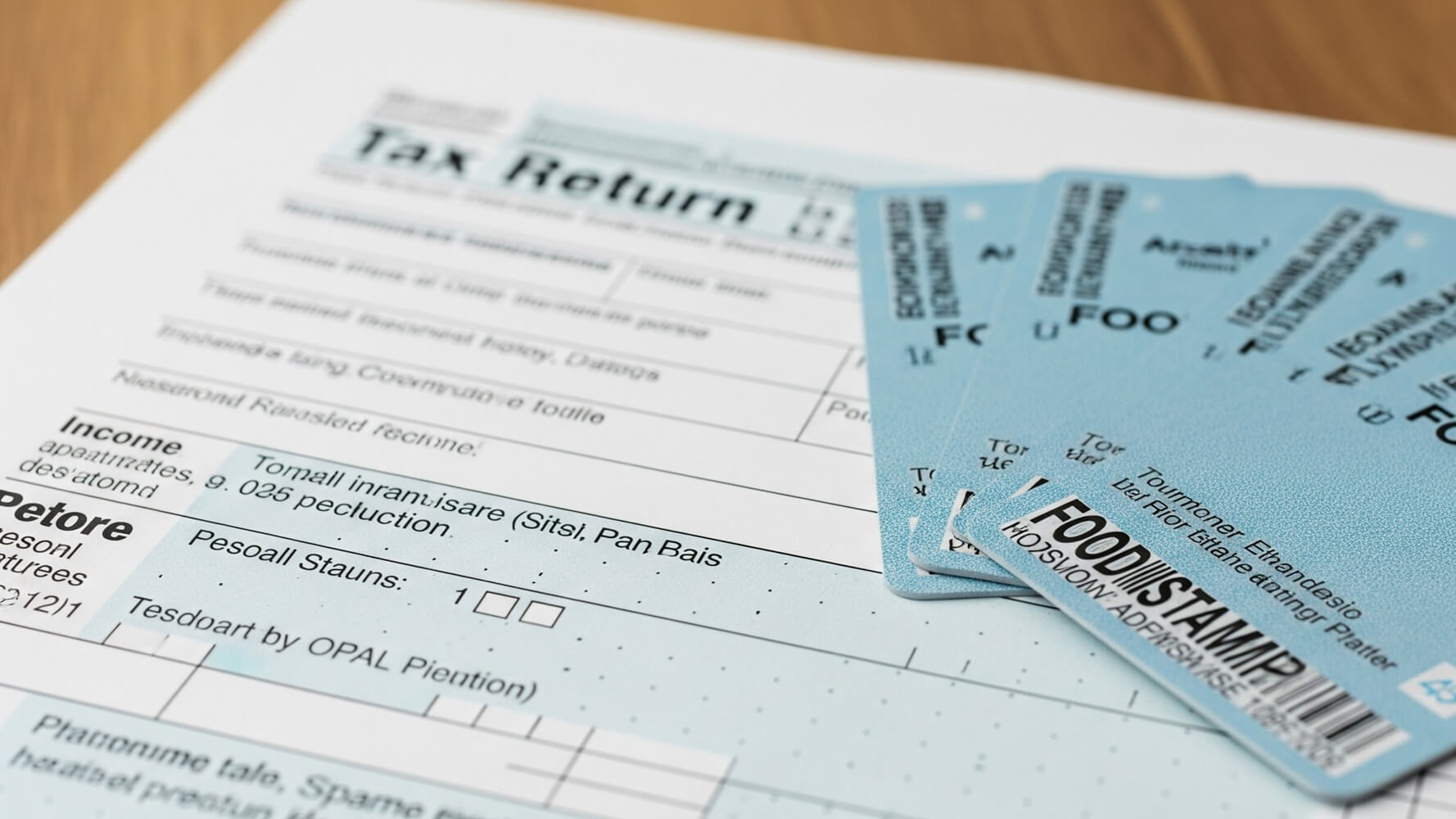
If the MDHHS believes they have enough evidence, they will send you a written notice. This notice is super important! It tells you what they think you did wrong, how much in benefits you might have gotten incorrectly, and the penalties you might face. The notice also tells you about your right to an administrative hearing, which is your chance to challenge their findings.
The notice will also include details about how to request a hearing and the deadlines you must meet. It’s super important to read this notice very carefully and understand everything. You have a certain amount of time to request the hearing, so make sure you don’t miss the deadline! Missing the deadline could mean you lose your chance to tell your side of the story.
The notice will also probably mention what kind of evidence the MDHHS has. It’s good to know what they’re using to make their case, so you can prepare to respond. This initial notice is the foundation of the whole process. Pay close attention to what it says!
Requesting an Administrative Hearing
So, you got the notice, and you disagree with what it says. What do you do? You request an administrative hearing! This is your chance to tell your side of the story to an impartial person, like a judge. The hearing is basically like a mini-trial where you can present your case.
The notice from MDHHS will tell you how to request a hearing. Usually, it involves filling out a form or calling a specific number. Make sure you do this within the deadline they give you! Otherwise, you might lose your right to have a hearing.
When you request the hearing, it’s a good idea to state why you disagree with the MDHHS’s findings. This helps the hearing officer (the person in charge of the hearing) understand your perspective right away. The more information you provide at this stage, the better, as long as it stays within the boundaries of the information they request.
After you request the hearing, the MDHHS will set a date, time, and location for it. They will send you another notice with all the details. Be sure to mark your calendar and prepare for the hearing!
Here’s a simple example of what the timeline can look like:
- Notice of Investigation Sent: Week 1
- Request for Hearing Deadline: Week 2
- Hearing Scheduled: Week 3
- Hearing Held: Week 6
Pre-Hearing Procedures and Preparation
Before the hearing itself, there are things that you and the MDHHS can do to prepare. This is all about getting ready to present your case effectively. You can gather evidence, like documents or witness statements, to support your claims. The MDHHS can also gather their own evidence.
You have the right to review the evidence that the MDHHS plans to use against you. This is a super important right because it allows you to see what they’re basing their accusations on. You can use this information to build a strong defense.
You can also bring witnesses to the hearing to support your case. Witnesses are people who can testify about what they know. It’s a good idea to let your witnesses know what they will be asked about, so they can be prepared.
Here are some things to do to get ready:
- Gather your evidence: collect any documents, pictures, or other proof to support your case.
- Identify potential witnesses: think about who might have relevant information and ask them to testify.
- Review the MDHHS’s evidence: make sure you understand what they’re accusing you of and what evidence they have.
- Prepare your statement: write down what you want to say at the hearing.
The Administrative Hearing Process
The hearing itself is a formal process, but it’s usually not as strict as a court trial. You’ll have the chance to present your side of the story, and the MDHHS will present theirs. A hearing officer will be in charge. They are a neutral person who will listen to all the information and make a decision.
At the hearing, the MDHHS will present its case first. They’ll show their evidence and explain why they think you committed fraud. You’ll have the chance to ask them questions and challenge their evidence.
Then, it’s your turn. You can present your evidence, call witnesses, and explain why you think the MDHHS is wrong. You can also ask the hearing officer questions. It’s a chance to tell your story.
The hearing officer will listen to everything and then make a decision. This decision is based on the evidence presented and the rules of the SNAP program. The hearing officer’s decision will be sent to you in writing.
Evidence and Testimony at the Hearing
Evidence is anything that helps prove your case. This can include documents, like bank statements or receipts, and also testimony, which is what people say under oath. The kind of evidence you present can really impact the outcome of the hearing, so it’s important to present strong evidence.
During the hearing, you will have the opportunity to present evidence and call witnesses. Witnesses can provide firsthand information. They can testify about what they saw, heard, or did. It’s a good idea to prepare your witnesses ahead of time so they are ready to answer questions.
Here’s a table of what kind of evidence might be used:
| Type of Evidence | Example |
|---|---|
| Documents | Bank statements, pay stubs |
| Testimony | Witness statements, your own statement |
| Other Evidence | Photos, videos |
The hearing officer will decide what evidence is allowed and how much weight to give to it. Make sure your evidence is relevant to the case and that you explain clearly why you are presenting it.
Hearing Officer’s Decision and Penalties
After the hearing, the hearing officer will review all the evidence and make a decision. They will decide whether or not they believe you committed fraud. This decision is usually based on whether the MDHHS has proven its case, meaning whether they’ve shown enough evidence to prove you did something wrong.
The hearing officer’s decision will be sent to you in writing. It will explain the reasons for the decision. If the hearing officer finds that you did commit fraud, they might order certain penalties. These can range from a warning to being disqualified from receiving food assistance for a certain period. They might also have to pay back benefits they received incorrectly.
The penalties are based on how severe the fraud was and what the rules are. If you disagree with the hearing officer’s decision, you might be able to appeal it to a higher level. The notice from the hearing officer will explain your right to appeal and the deadline to do so.
Here’s what could happen if you are found to have committed fraud:
- Warning: A simple heads-up.
- Repayment: You might have to pay back the benefits you received incorrectly.
- Disqualification: You could be banned from getting food assistance for a period of time.
- Legal Action: In serious cases, the MDHHS could refer your case to law enforcement.
Appealing the Decision
If you disagree with the hearing officer’s decision, you can usually appeal it to a higher level. The process of appealing usually starts with a request to review the decision. The MDHHS has different ways to handle the appeal, and it is important to follow these guidelines when requesting an appeal.
The notice you receive with the hearing officer’s decision will tell you how to appeal. Usually, it involves filling out a form and sending it to the right place. The notice will also tell you the deadline for filing the appeal. Don’t miss this deadline!
When you appeal, you can explain why you disagree with the hearing officer’s decision. You can provide new information, if you have it, or you can explain why you think the hearing officer made a mistake. Appealing gives you one more chance to fight for a decision in your favor.
The appeal process will usually involve a review of the hearing officer’s decision. The review will be done by someone different from the original hearing officer, such as a higher-up at the MDHHS. The appeals process can vary, but the important thing is to file your appeal correctly and within the deadline.
In conclusion, the process for administrative hearings on food stamp fraud in Michigan involves investigation, notice, requesting a hearing, pre-hearing preparation, the hearing itself, evidence presentation, the hearing officer’s decision, and the option to appeal. The procedures are designed to make sure the process is fair, giving both you and the MDHHS a chance to present your case. Understanding these procedures is important if you’re facing allegations of food stamp fraud so you can protect your rights and try to resolve the situation fairly. If you find yourself in this situation, it is always a good idea to try and get assistance from a lawyer.