Food Stamps, officially known as the Supplemental Nutrition Assistance Program (SNAP), is a big deal in the United States. It helps people with low incomes buy groceries, which is super important for staying healthy and strong. But how exactly does the government fund this program? Where does the money come from? This essay will dive into the details of what federal grant SNAP falls into, exploring its origins, how it works, and why it’s so vital for millions of Americans. It’s all about understanding how the government helps those in need with food assistance.
The Big Picture: SNAP and the Farm Bill
The federal grant that Food Stamps, or SNAP, falls into is primarily authorized and funded through the Farm Bill. This is a massive piece of legislation that gets updated and renewed every few years. Think of the Farm Bill like a giant budget plan that covers a bunch of different agricultural and nutrition programs, including SNAP. The Farm Bill decides how much money goes where, including to help people buy food. It is essential to understand that the Farm Bill’s decisions directly affect the amount of assistance available to SNAP recipients.
How the Farm Bill Works
The Farm Bill isn’t just about food stamps; it’s a whole package of programs. It also deals with things like farm subsidies (money given to farmers), conservation efforts (protecting the environment), and rural development (helping small towns). Think of it like a collection of different programs all bundled together. The Farm Bill is created by Congress and signed into law by the President, so it needs to be agreed upon by politicians from different parties.
This leads us to the question of how the funds are allocated. The process of how the funding is distributed includes different steps:
- Legislative Action: Congress debates, amends, and votes on the Farm Bill.
- Presidential Approval: The President signs the Farm Bill into law.
- Budget Allocation: Funding for SNAP and other programs is officially set.
The Farm Bill can be a complex piece of legislation. It’s a long document that covers a lot of ground. But, at its core, it’s about shaping how we support our farmers and feed our nation.
The History of the Farm Bill and SNAP
The Farm Bill has a long history, starting way back in the 1930s during the Great Depression. Back then, the goal was to help struggling farmers and provide food assistance. Over the years, the Farm Bill has changed and grown. SNAP itself, in its modern form, was created in the 1960s. Since then, it has undergone many changes with each new Farm Bill.
The Farm Bill has significantly evolved. Here is a timeline of some of the key moments:
- 1930s: Early farm support programs are created.
- 1960s: The modern Food Stamp Program is launched.
- 1970s-Present: The Farm Bill expands, incorporating more nutrition programs.
Each Farm Bill reflects the priorities and economic conditions of the time. Because of that, it can impact the programs it contains.
Funding Sources for SNAP
The money for SNAP primarily comes from the federal government, and a lot of it! It is funded through the Farm Bill. Taxpayers’ dollars are used to provide food assistance to people who need it. The states also play a part by administering the program and distributing the benefits. State agencies work with the federal government to ensure that SNAP is running smoothly.
The federal government covers a significant portion of SNAP costs. The costs include:
- Benefits for recipients
- Administrative costs
- Outreach programs
The exact amount allocated to SNAP varies depending on economic factors. This is because, the number of people who need SNAP fluctuates.
Eligibility Requirements for SNAP
To get Food Stamps, there are some rules you need to follow. Generally, you have to meet income requirements, which means your earnings can’t be above a certain level. Also, you need to be a U.S. citizen or a qualified non-citizen. The requirements are different in each state. However, they’re all based on federal guidelines.
Let’s review some of the requirements:
| Requirement | Description |
|---|---|
| Income | Must be below a certain level. |
| Citizenship | Must be a U.S. citizen or qualified non-citizen. |
| Work | May need to meet work requirements, depending on the state. |
It is very important to note that eligibility requirements change from time to time. Make sure you always check the most up-to-date information from your state’s SNAP agency.
How SNAP Benefits Are Used
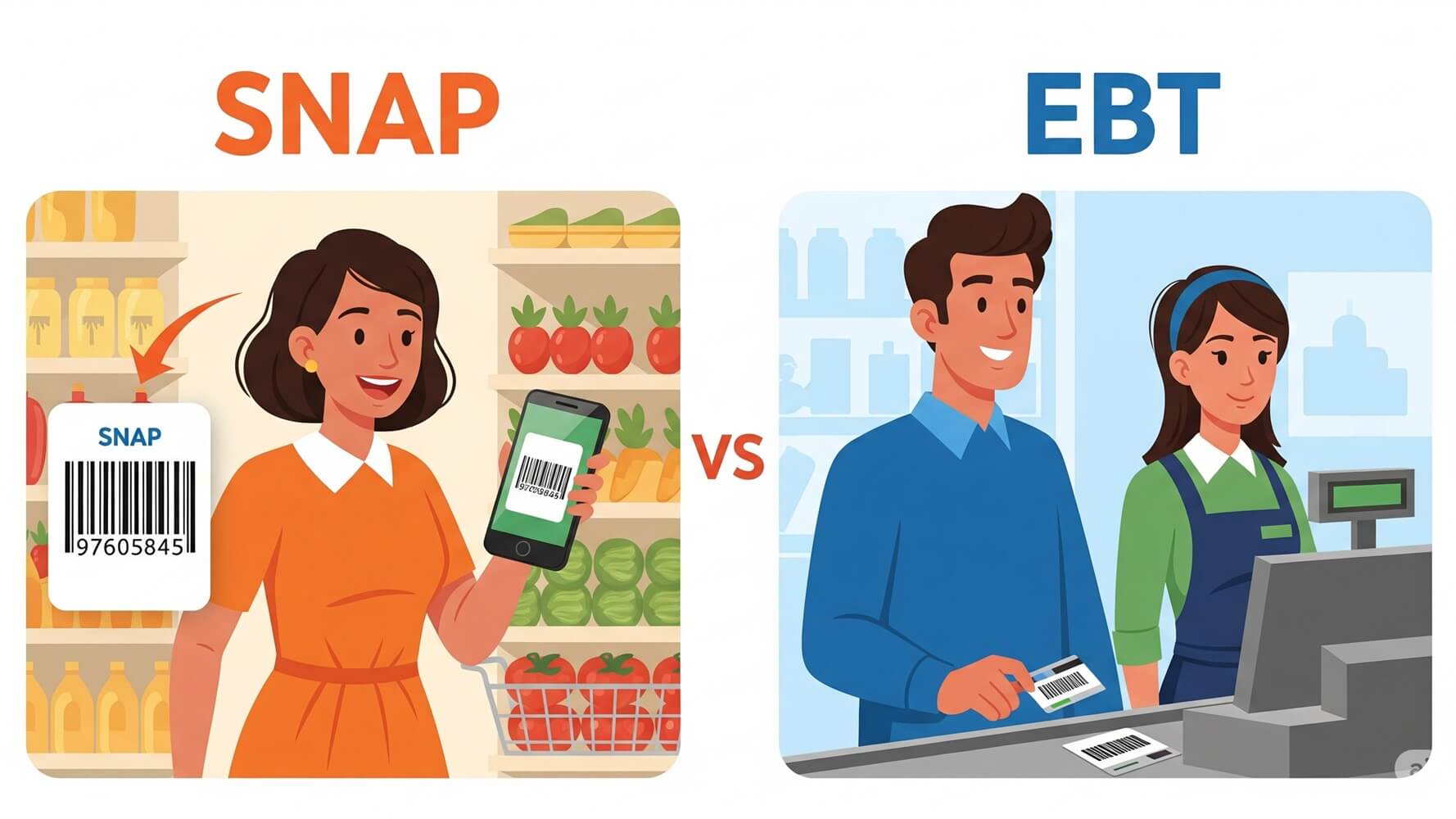
SNAP benefits are given to people on an Electronic Benefit Transfer (EBT) card. The EBT card is like a debit card, but it can only be used to buy certain kinds of food. You can use it at most grocery stores and some farmers’ markets. SNAP benefits can’t be used to buy things like alcohol, tobacco, or non-food items.
Here are the types of food you can purchase:
- Fruits and vegetables
- Meat, poultry, and fish
- Dairy products
Here are the items you cannot purchase with SNAP:
- Alcohol
- Tobacco
- Non-food items
SNAP benefits are designed to help people buy healthy, nutritious food. The goal is to make sure people have enough to eat and can stay healthy.
The Impact of SNAP
SNAP has a big impact on millions of people in the United States. It helps reduce hunger and food insecurity, which is when people don’t have reliable access to enough food. It helps them get the food they need to eat. SNAP also helps boost the economy, because it increases spending at grocery stores and other businesses. It supports families and communities.
SNAP has helped many people with:
- Reducing food insecurity
- Improving health outcomes
- Supporting local economies
It is an important program that helps those in need.
In conclusion, Food Stamps, or SNAP, falls under the umbrella of the Farm Bill, a huge federal grant that provides funding for many agricultural and nutrition programs. The Farm Bill’s reauthorization determines the future of SNAP. Understanding how this federal grant works helps us understand the role of SNAP in our communities and how it helps so many people. It highlights the importance of this essential program in the United States.