The Supplemental Nutrition Assistance Program (SNAP), often called food stamps, is a really important program in the United States. It helps people with low incomes buy food. But when did this program actually begin? This essay will explore the history of food stamps, looking at the exact year they started, the reasons behind their creation, and how they’ve changed over time.
The Beginning: The 1960s
So, the Food Stamp Program officially started in 1964. This was a time of big social change in America, with lots of programs aimed at helping people in need. This program was part of President Lyndon B. Johnson’s “War on Poverty,” a set of initiatives designed to tackle poverty and improve the lives of struggling Americans.
Why Were Food Stamps Created?
Before food stamps, some people were going hungry, even in a wealthy country like the U.S. The goal of the Food Stamp Program was simple: to provide a way for low-income families to buy nutritious food. It was designed to address the problem of hunger and malnutrition, especially among children and the elderly. People realized that having enough to eat is super important for health and well-being, and that a hungry population is not a healthy or productive one. The program also aimed to help farmers by increasing demand for their products.
Here are a few of the main reasons:
- To reduce hunger and improve nutrition among low-income families.
- To help farmers by increasing demand for agricultural products.
- To support local economies by encouraging food purchases.
These aims worked together to improve people’s quality of life.
Another reason behind the program’s creation was a desire to help people who were struggling to find work. During that time, not everyone was able to find a job, and those who were employed often struggled to make ends meet. So, food stamps acted as a safety net to make sure families had enough food, even when things were tough.
Early Food Stamp Program Implementation
The initial Food Stamp Program in 1964 was a pilot program, meaning it wasn’t available everywhere right away. It started small, in select areas, so the government could figure out the best way to run it. They wanted to make sure the program actually helped people and wasn’t too complicated to use. The early program worked a bit differently than today’s version.
Here’s how the early process worked.
- Eligible families had to purchase food stamps.
- They received a set amount of food stamps based on their income.
- They could then use the food stamps to buy food at participating grocery stores.
- The program wasn’t free, and that was a major difference.
The pilot program helped the government to identify the challenges and benefits of the program and make improvements over time.
Expanding the Program Across the US
After the initial pilot programs, the Food Stamp Program slowly but surely expanded. More and more states and counties began to participate. The program grew because it was a good idea. It helped families who had trouble putting food on the table and supported the economy. The government was committed to making sure the program was accessible to all eligible Americans.
Here is a timeline of the program’s expansion:
| Year | Event |
|---|---|
| 1965 | Program expanded to more cities and counties. |
| 1970s | Program continued to expand steadily. |
| 1980s | Program became more widely available across the United States. |
This expansion reflected the growing recognition of the importance of food security.
Food Stamps vs. SNAP
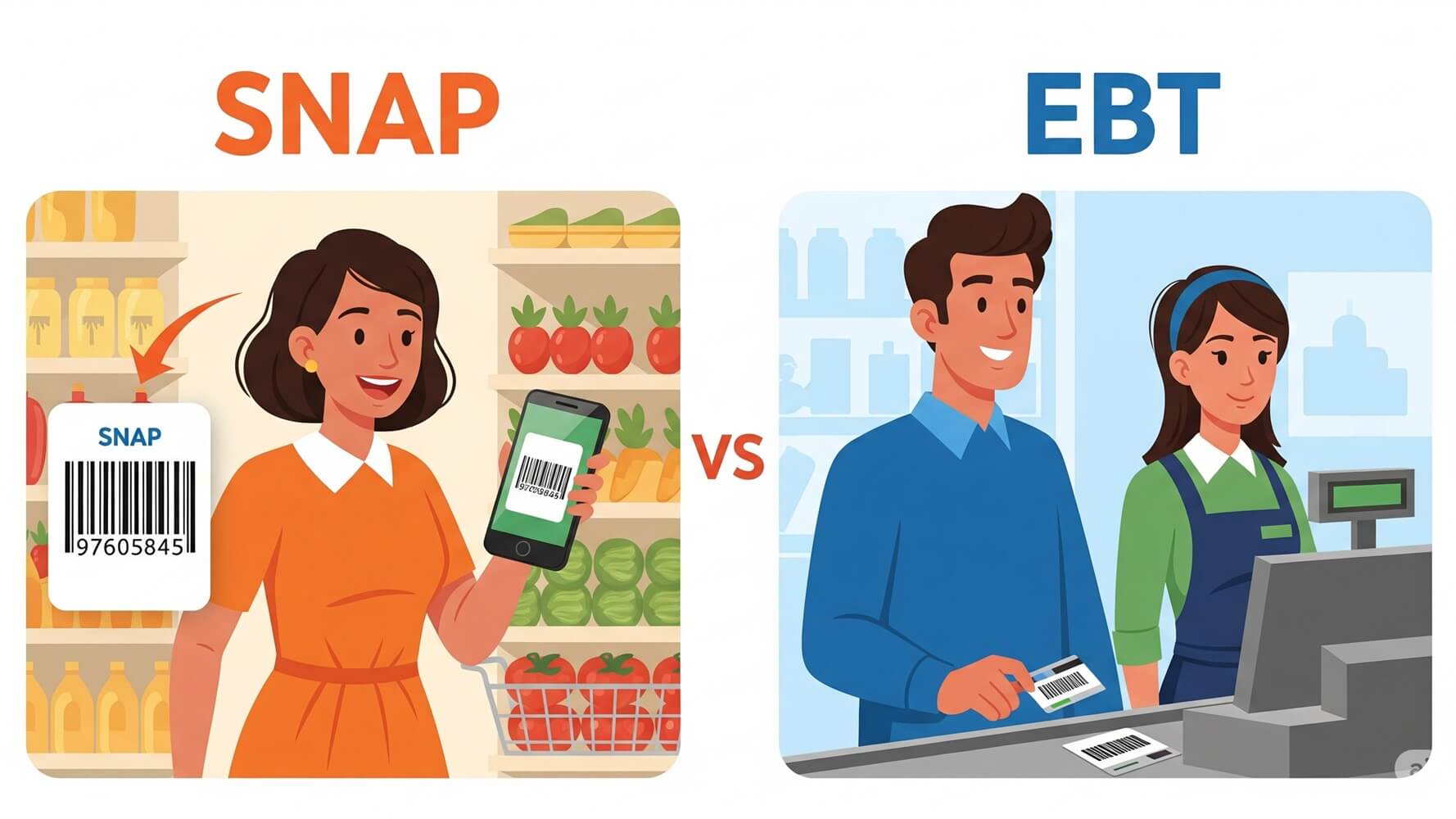
The Food Stamp Program wasn’t always called SNAP. It went through a name change and some big changes to how it worked. The program was renamed the Supplemental Nutrition Assistance Program (SNAP) in 2008. The name change reflected changes in how the program operates. The focus remains the same: to help people buy food, but how they get the assistance has changed.
Here’s a quick comparison of how the program works:
- The old Food Stamp Program used paper coupons.
- SNAP uses electronic benefit transfer (EBT) cards, which are like debit cards.
- EBT cards are much easier to use than paper coupons.
- The switch made it more discreet for people to use their benefits.
The EBT cards have made the process much smoother for participants.
The shift from paper coupons to EBT cards, and the name change to SNAP, shows that the government is always working to improve how it helps people in need. This shows the program has adapted to changing technology and societal needs.
Food Stamps and Modern Times
Today, SNAP is a really important part of the social safety net in the United States. It continues to provide a helping hand to millions of people each year. The program adapts and changes, based on what is needed to ensure the people who need it can get it. It is a key part of helping people.
In recent years, SNAP has been updated in several ways, including:
- Changes to eligibility requirements to help more people.
- Efforts to reduce fraud and make sure benefits are used correctly.
- Increased funding during economic downturns to help families.
- Improvements to the way people can apply for benefits.
SNAP’s importance has become even more evident during difficult times. The program continues to evolve to meet the needs of those it serves, helping them weather tough economic storms. This shows how important food stamps have become.
The Legacy of Food Stamps
The Food Stamp Program, which began in 1964, is a really significant part of American history. It has had a lasting impact on society, helping to fight hunger and poverty. SNAP and food stamps have provided a way to access food for those with low incomes. The program has also evolved over the years, always trying to find a way to best serve the needs of the people who rely on it.
Here’s a summary of the program’s influence:
- It has reduced food insecurity for many people.
- It has supported the economy and helped farmers.
- It has encouraged good nutrition and healthy eating.
The Food Stamp Program shows how a government program can help to solve serious problems and make a positive difference in the lives of many.
In conclusion, the Food Stamp Program, which was created in 1964, has come a long way. It started with a simple goal – to help people get enough to eat – and has grown into a vital program. It has adapted over time to meet the changing needs of the country, and it continues to be an essential part of the fight against hunger. The food stamp program has left its mark on the United States.