EBT, which stands for Electronic Benefit Transfer, is like a debit card that helps people buy food and other essentials. If you’ve ever seen someone pay with an EBT card at the grocery store, you might wonder where the money on that card comes from. This essay will break down exactly where the funds for EBT programs originate and how they make their way to families and individuals who need them.
The Federal Government’s Role
The primary source of funding for most EBT programs comes from the federal government. The U.S. Department of Agriculture (USDA) is the main agency in charge of these programs. They allocate billions of dollars each year to support food assistance initiatives nationwide. These funds are then distributed to individual states to run their own EBT programs.
The USDA’s involvement isn’t just about handing out money; they also set the rules for how these programs work. This includes things like:
- Who is eligible to receive benefits.
- What kinds of food can be purchased.
- How the EBT cards are used.
This ensures that the programs are run fairly and consistently across the country, even though the specifics might vary slightly from state to state. The federal government’s commitment to food assistance is a key component of supporting people in need, and provides the financial bedrock for the EBT system.
To make sure the money is spent correctly, the USDA has oversight responsibilities. They check to see that the states follow the rules and that the money is used to help the right people. This oversight helps to prevent fraud and make sure the system is working efficiently.
State Contributions to EBT Programs
State Funding is Often Required
While the federal government provides the bulk of the funding, states also contribute financially to EBT programs. The exact amount of state funding varies from state to state. Some programs, like the Supplemental Nutrition Assistance Program (SNAP), have a cost-sharing arrangement between the federal and state governments.
For example, states might be responsible for covering administrative costs, like:
- Processing applications.
- Distributing EBT cards.
- Providing customer service.
- Fighting fraud.
The percentage of state contribution also depends on the individual program. SNAP has a different state contribution system compared to programs like the Temporary Assistance for Needy Families (TANF). State contributions help to ensure the EBT programs are sustainable and can adapt to the needs of the people they serve.
States also work with the federal government to make sure the programs are accessible. They do this by creating easy-to-use application processes and providing clear information about eligibility and benefits. They also establish their own guidelines within the federal regulations.
Supplemental Nutrition Assistance Program (SNAP) Funding
SNAP is a Major Source of EBT Funds
SNAP, often known as “food stamps,” is the largest federal program providing food assistance. The vast majority of EBT funds come from SNAP. The program aims to help low-income individuals and families purchase nutritious food. It’s administered by the USDA and funded by the federal government, with state administrative contributions.
The SNAP program receives its funding through the annual federal budget. Each year, Congress reviews and approves the funding level for SNAP. When the budget is approved, funds are allocated to the USDA to administer the program. The size of the budget varies depending on economic conditions and how many people need help.
To ensure the budget is used efficiently, the USDA implements a variety of strategies. These include:
- Working with states to prevent fraud.
- Conducting regular audits to ensure compliance.
- Evaluating the effectiveness of the program.
These funds are then used to provide monthly benefits to eligible recipients, who can use their EBT cards at authorized grocery stores and farmers markets to buy food.
Temporary Assistance for Needy Families (TANF) and EBT
TANF Provides Additional Support
TANF is a federal program that provides financial assistance and support to low-income families with children. It’s a separate program from SNAP, but some states use EBT cards to distribute TANF benefits too. TANF aims to help families become self-sufficient and cover basic needs like food, housing, and other essentials.
TANF is funded through a combination of federal block grants and state contributions. The federal government provides a set amount of money to each state. States have flexibility in how they use these funds. This flexibility allows states to customize the program to meet their unique needs.
Here’s a quick comparison:
| Program | Main Benefit | Funding Source |
|---|---|---|
| SNAP | Food Assistance | Federal (with state admin costs) |
| TANF | Financial Assistance | Federal block grants & state contributions |
In some states, TANF benefits are loaded onto the same EBT card as SNAP benefits, making it easier for families to access the help they need. TANF’s funding often goes towards covering the gap that SNAP leaves unfilled, to help families deal with other expenses.
How Funds Reach EBT Cardholders
The Process of Distributing Benefits
After the federal government provides funds to states, the state agencies take over. They determine eligibility for programs like SNAP and TANF based on specific criteria. Once someone is approved for benefits, their information is entered into the state’s EBT system. The state then deposits the appropriate amount of funds onto the person’s EBT card each month.
States use secure electronic systems to manage the distribution of benefits. These systems track the amount of money available on each card and the transactions made by cardholders. This helps to prevent fraud and ensure that benefits are used correctly.
The process involves a few key steps:
- Application and eligibility determination.
- Benefit calculation.
- Card issuance and activation.
- Monthly benefit deposits.
The monthly funds that are deposited onto an EBT card are then available to the cardholder to spend on eligible food items at approved retailers. Funds are typically available on the same date each month.
The Role of Retailers and Merchants
Retailers and the EBT Process
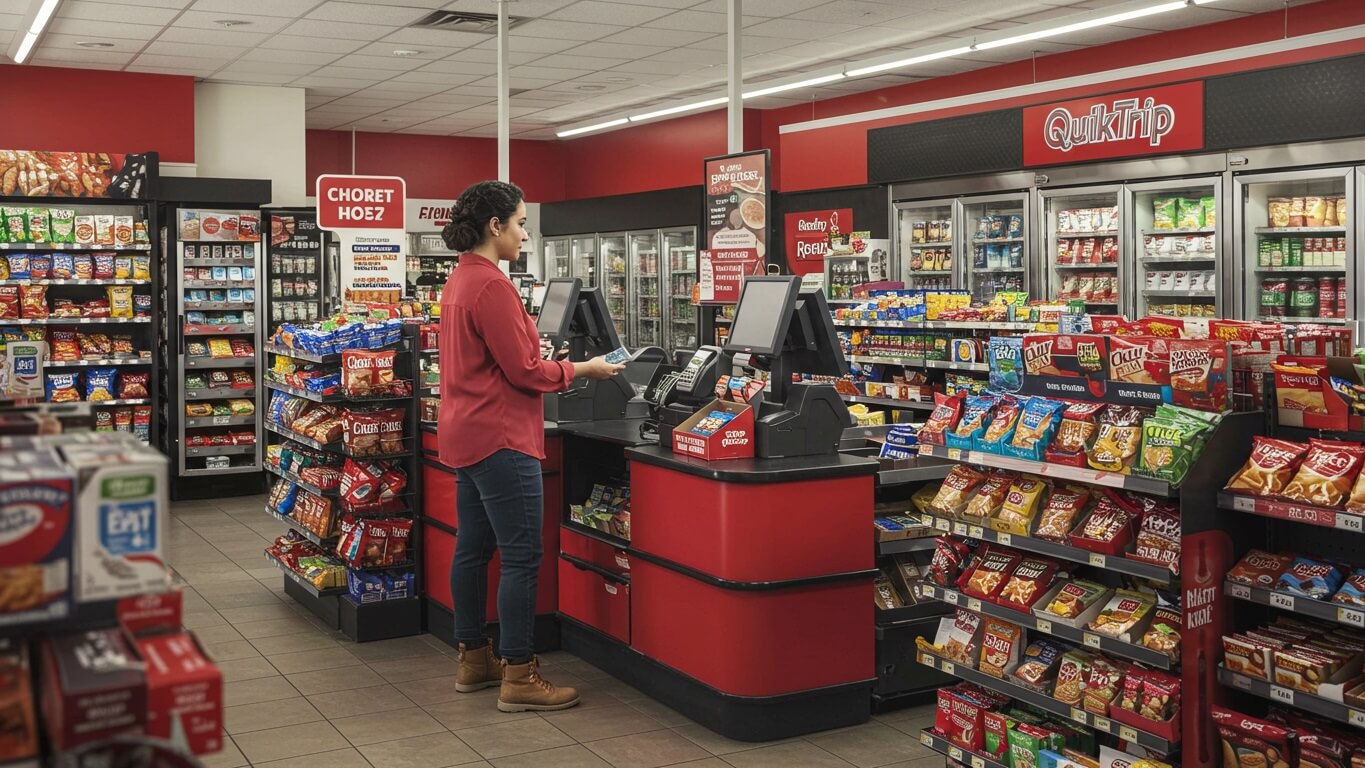
Grocery stores, farmers markets, and other retailers that accept EBT cards play a crucial role in the process. These merchants must be authorized by the USDA to accept EBT payments. They agree to follow certain rules, like only allowing the purchase of eligible food items with the cards. They then use a point-of-sale (POS) system to process EBT transactions.
When a customer uses their EBT card, the POS system verifies that the card is valid and that the customer has enough money on the card to cover the purchase. Once the transaction is approved, the retailer is reimbursed for the cost of the food. This reimbursement comes from the state agency that manages the EBT program.
Retailers must follow the rules of the program. These rules include:
- Not selling non-eligible items to EBT cardholders.
- Not allowing the use of EBT cards for cash back.
- Keeping accurate records of all EBT transactions.
If a retailer breaks the rules, they can face penalties, including fines or even being removed from the program. The retailer is responsible for taking the steps needed to make sure the process works smoothly.
Accountability and Oversight
Ensuring Proper Use of Funds
To prevent fraud and ensure that funds are used correctly, there are checks and balances in place. The USDA audits states to ensure compliance with federal regulations. States have their own internal controls and may conduct their own audits to monitor the use of funds. There are also procedures for reporting fraud and abuse of the EBT system.
Both the federal and state governments work together to monitor the EBT system. They employ various methods to track how the money is spent. This helps them make sure that the programs are being used responsibly. They want to catch people who are trying to cheat the system.
Some of the accountability measures used include:
- Regular program audits.
- Data analysis to identify potential fraud.
- Customer service hotlines to report concerns.
- Strict eligibility requirements.
These measures help to make sure that benefits go to the people who need them. They make sure that the system is fair and is running as intended. This helps to build trust in the EBT programs.
In addition to these measures, the public plays a vital role. They can report suspicions of fraud or abuse to the appropriate authorities. This helps to further protect the integrity of the EBT system.
Conclusion
In conclusion, the funds for EBT programs, mainly SNAP and TANF, primarily come from the federal government. The USDA provides most of the funding, and states also contribute. This money then goes through a carefully managed process, from federal allocation to state distribution, through retailers, and onto EBT cards. This helps ensure that those in need have access to food and other basic necessities. This shows a dedicated effort to support people and families struggling financially.