Applying for the Supplemental Nutrition Assistance Program, or SNAP, can feel like a lot of paperwork. One part that often confuses people is the need to provide bank account information. Why does the government need this information to help people buy groceries? This essay will explore the reasons behind this requirement, breaking down the different aspects of why bank information is necessary for everyone applying for SNAP benefits.
Preventing Fraud and Ensuring Proper Use of Funds
One of the main reasons for collecting bank information is to help prevent fraud. The government needs to make sure that the money provided through SNAP is used correctly and goes to those who truly need it. By having access to bank account details, they can monitor transactions and look for any suspicious activity, such as the misuse of benefits or duplicate claims. This helps to keep the program fair for everyone.
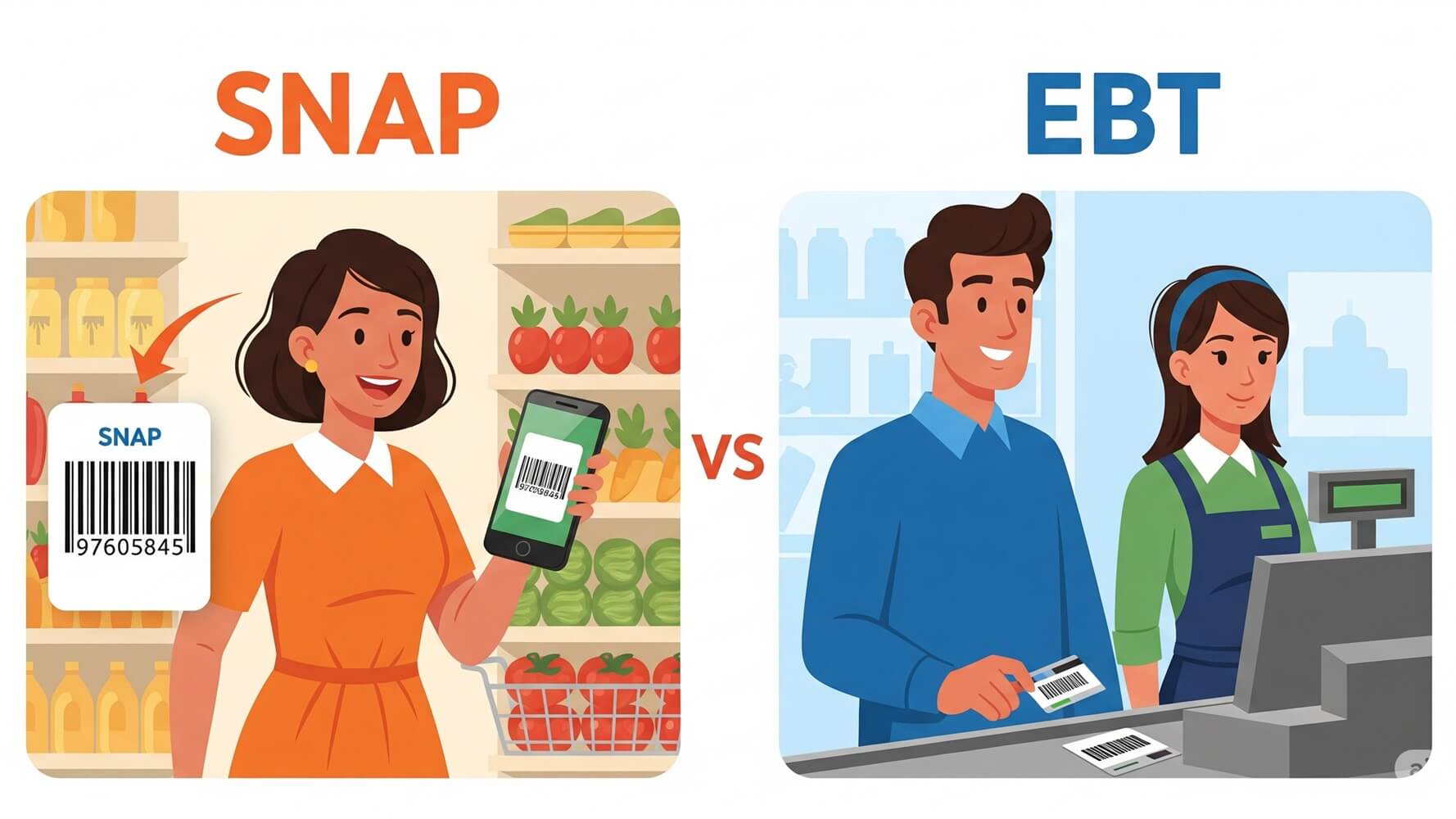
Think of it like this: Imagine you’re giving out gift cards. You’d want to make sure the right people get them and that they’re used for the things they’re meant for, like groceries. Checking bank accounts is similar – it helps to prevent someone from trying to scam the system.
There are many types of fraud the government tries to stop. This is done by the agency looking for things like:
- People using someone else’s benefits card.
- Benefits being used in states or areas that the recipient does not reside.
- Businesses that are illegally trading SNAP benefits for money or items.
It’s also about making sure funds are used appropriately. SNAP is intended to help people buy food, not to be used for other purposes. Monitoring bank accounts helps ensure that SNAP benefits are not being used for things like alcohol, tobacco, or other non-food items. This helps to uphold the integrity of the program and ensures it benefits people in need.
Facilitating Benefit Payments
Direct Deposits
Another crucial reason for requesting bank information is to facilitate the direct deposit of SNAP benefits. This is the easiest and most reliable way to get money into the hands of those who need it. Instead of sending paper checks, SNAP benefits are electronically transferred directly into a recipient’s bank account, providing quick and easy access to funds.
Direct deposit is significantly more efficient than mailing paper checks. It eliminates the risk of lost or stolen checks and ensures timely delivery of benefits. The government can easily see when and where the money goes. A simple paper check does not offer this kind of record for its movement.
Direct deposit also saves taxpayers money. Printing and mailing paper checks costs more than electronic transfers. This means more of the SNAP budget can go toward helping people afford groceries.
Let’s look at how the benefits are deposited compared to checks:
| Feature | Direct Deposit | Paper Check |
|---|---|---|
| Speed | Fast | Slower |
| Security | More secure | Less secure |
| Cost | Less expensive | More expensive |
Verifying Eligibility and Income
Confirming Information
Bank statements provide valuable information for confirming eligibility for SNAP. The application process requires applicants to report their income and assets. Bank statements give the government a way to independently verify this information. They can see how much money is coming in and going out of an account, giving them a clear picture of an applicant’s financial situation.
When people apply for SNAP, they need to supply their pay stubs, their Social Security income statements, and other records. These things can be faked. Using the records of the bank account confirms that all this information is accurate. This helps to make sure that the program is fairly and consistently applied to all applicants.
Bank statements help ensure that the eligibility requirements, such as income limits and asset tests, are met. This prevents people who do not qualify from receiving benefits, which would take resources away from those who genuinely need them. This prevents someone from getting benefits who may be abusing the system.
Here are some common items the bank statements will show that helps determine eligibility:
- Monthly income deposits.
- Account balance.
- Records of asset sales or transfers.
- Large cash withdrawals or deposits.
Auditing and Program Integrity
Checking the System
The information provided by bank accounts aids in the auditing of SNAP programs. Audits are crucial for ensuring that the system runs smoothly and that public funds are being used effectively. Federal and state agencies can use this data to see where changes need to be made. Checking bank information helps to identify problems and prevent future issues.
When reviewing the bank information, the government might find that certain areas or states have a high rate of fraud or misuse of SNAP benefits. They might even discover weaknesses in the application or verification process. Audits also help to find businesses or individuals that are defrauding the government.
By analyzing this data, auditors can pinpoint patterns or trends that might indicate problems. This helps the government improve program management and make sure the system is working as intended. This is done by ensuring the accuracy of financial information to make sure money is going to the right places.
There are many things the audits might review such as:
- The rate of errors made by state agencies during the eligibility process.
- The use of benefits at approved retailers and identifying potential abuse.
- The effectiveness of fraud prevention measures.
Data Matching and Coordination with Other Programs
Using Other Data
Bank information can be used to match and coordinate with other government programs. This data matching helps identify potential cases of duplicate benefits or fraud across different programs. Government agencies often share data to improve the efficiency and accuracy of their services.
For example, if someone is receiving both SNAP benefits and unemployment benefits, the government can check bank records to make sure the person is not receiving too much support. This coordination helps to prevent waste and ensures that resources are allocated fairly.
Matching bank information with data from other programs helps to identify individuals who may be receiving benefits from multiple sources. This way they are not getting overpaid or abusing the system. By looking at the full financial picture, the government can make informed decisions about who gets aid.
Here’s a simple example of how data matching works:
- SNAP: Bank information reveals monthly income and spending habits.
- Unemployment: Records of employment status and benefits paid.
- Result: Matching the data helps identify and prevent potential benefit overlaps.
Supporting Program Evaluation and Research
Learning More
Bank information also plays a role in supporting program evaluation and research. By analyzing financial data, researchers can learn more about how SNAP benefits are used and how they impact the lives of recipients. This data can also be used to identify trends and patterns in spending habits.
Researchers use this information to assess the effectiveness of SNAP and make improvements. They can see what types of food people are buying, how SNAP benefits help them afford a healthy diet, and how the program impacts local economies.
Research findings help policymakers make informed decisions about SNAP and other assistance programs. This ensures programs are working as intended and are helping those who need assistance. This also helps the government make changes to programs to make them better.
There are different types of research they are doing:
- Impact Studies: Measuring the effects of SNAP on food security and poverty.
- Spending Analysis: Examining how benefits are used by retailers.
- Benefit Adequacy: Assessing whether benefits are enough to provide a nutritious diet.
Conclusion
In conclusion, while providing bank information may seem like a private matter, it is a necessary part of the SNAP application process. It serves multiple purposes, from preventing fraud and ensuring proper use of funds to facilitating direct deposits and supporting program evaluation. By providing this information, applicants help the government administer the program efficiently and ensure that benefits reach those who need them most. Ultimately, the requirement to share bank information is designed to help the SNAP program work effectively and serve its intended purpose: providing food assistance to families and individuals in need.